
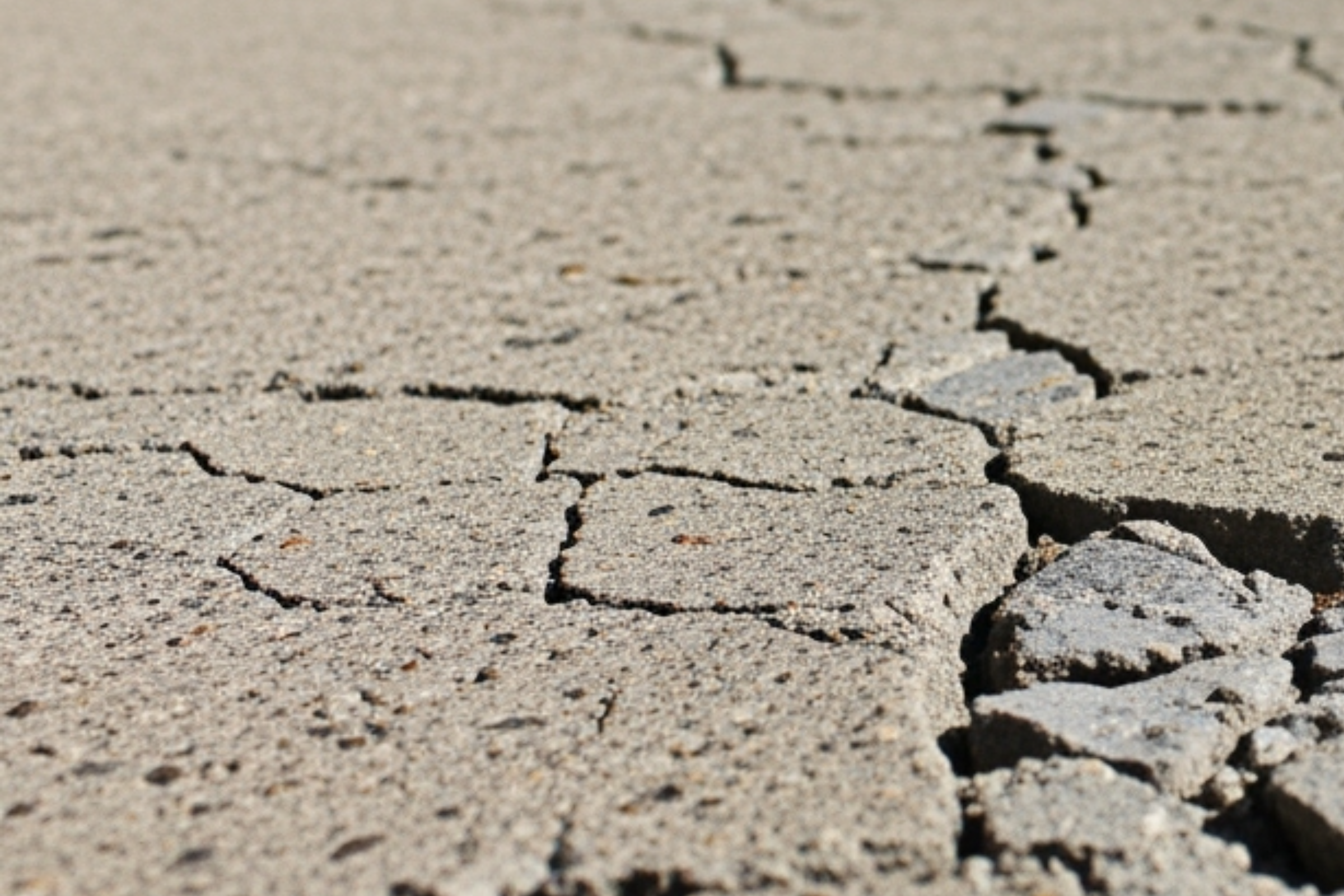
Exposed concrete is a staple in both modern and traditional construction, but it is more vulnerable than it may appear. Several factors contribute to its early deterioration. The most common culprits include freeze-thaw cycles, de-icing salts, moisture intrusion, and exposure to harsh chemicals or UV rays. Over time, these elements can break down the surface, causing cracks, spalling, and discoloration.
Environmental impacts play a significant role. In regions with fluctuating temperatures or heavy rainfall, water can seep into the concrete's pores. When this water freezes and expands, it places immense stress on the structure. Similarly, in coastal or urban areas, exposure to chlorides and pollutants accelerates corrosion of any embedded steel, compromising structural integrity.
The financial and safety repercussions can be substantial. Unaddressed damage often leads to more extensive—and expensive—concrete repair or replacement. Crumbling walkways, warehouse floors, or parking decks can also pose trip hazards and liability risks, affecting both commercial and residential stakeholders.
For builders and property managers, these challenges highlight the necessity of early intervention. Regular assessments from construction industry experts can identify potential issues before they escalate. Relying on professional concrete services, including quality productivity and integrity in maintenance and repair, ensures your investments last longer, reducing unexpected costs and upholding safety for everyone who interacts with your property.
Selecting the appropriate coatings and sealers is paramount for maximizing the lifespan of exposed concrete. Each product type offers distinct advantages based on performance and intended use. Epoxy coatings, for instance, create a tough, impermeable barrier ideal for high-traffic floors in commercial settings. Polyurethane coatings are valued for their flexibility and UV resistance, making them suitable for outdoor surfaces exposed to sunlight and weather changes. Acrylic coatings, on the other hand, provide a cost-effective solution for decorative finishes and lighter protection needs.
Sealants are equally critical. They penetrate the concrete’s pores, reducing its absorption of water, oils, and salts. This not only prevents unsightly stains but also hinders freeze-thaw damage and chemical degradation, which are leading causes of early surface failure. Whether you’re protecting a warehouse floor or a residential driveway, the right sealer extends service life and preserves appearance.
When choosing products, it’s essential to distinguish between the demands of commercial and residential projects. Commercial surfaces often endure heavier loads and more frequent cleaning with harsh agents, requiring industrial-grade solutions. Residential surfaces, while less demanding, still benefit from UV protection and stain resistance, especially in driveways, patios, and garages.
Professional concrete services bring invaluable expertise to this selection process. Experts factor in unique environmental challenges, expected usage, and substrate condition to recommend the ideal system. Proper application is just as crucial—uneven or inadequate coverage can leave vulnerabilities. Investing in specialist guidance and installation ensures your concrete is shielded for years to come, reinforcing both durability and cost-effectiveness.
Effective protection of exposed concrete starts with impeccable surface preparation. Applying coatings or sealers on a compromised or dirty surface greatly diminishes their performance, often leading to premature failure. The foundation for long-lasting results lies in addressing cracks, spalls, and surface irregularities through timely and professional concrete repair.
Repair is more than a cosmetic fix—it restores structural integrity and ensures an even surface for subsequent treatments. Skipping this step allows moisture and contaminants to bypass protective layers, undermining all later efforts. Equally important is thorough cleaning, which removes dust, grease, and residues that inhibit adhesion.
Before undertaking any cutting or coring, especially in commercial or industrial sites, concrete scanning is vital. Advanced scanning methods detect embedded utilities, rebar, and post-tension cables, preventing costly or hazardous accidents. This not only protects workers and property but also ensures that subsequent repairs or modifications proceed without costly setbacks.
Precision in concrete cutting and coring is non-negotiable. Professional teams use specialized equipment to create clean, accurate openings for plumbing, electrical, or structural modifications, while minimizing dust and disruption. These techniques are equally essential for both new installations and retrofits, ensuring no compromise in performance or safety.
Ultimately, upholding professional standards at every stage—from scanning and repair to cutting and coring—builds the foundation for exceptional quality productivity and reliability. By investing in skilled practitioners who prioritize integrity, you set the stage for coatings and sealers to perform at their best, maximizing the value and longevity of your concrete surfaces.
Concrete surfaces in different settings face unique challenges, and so their protection strategies must be tailored accordingly. Commercial environments—such as warehouses, retail spaces, and parking structures—typically contend with heavier loads, constant foot and vehicle traffic, and aggressive cleaning regimens. Residential properties, meanwhile, may deal with exposure to the elements, de-icing salts, or the wear and tear from family activities.
Surface protection solutions are varied and can be layered for added resilience. Protective mats and temporary coverings, for example, offer an immediate shield during construction or renovation. For longer-term defense, physical membranes and overlays are highly effective. These can range from thin polymer layers to robust concrete overlays that absorb impact and resist abrasion, extending the underlying slab’s service life.
Routine inspections are a cornerstone of any effective protection plan. By identifying early signs of wear or damage, property owners can act before small issues escalate into costly repairs. Maintenance protocols may include regular cleaning, resealing, and touch-up repairs in high-wear zones—think building entrances, warehouse aisles, or garage floors.
High-traffic areas especially benefit from reinforced coatings, slip-resistant textures, and additional surface treatments to maintain both safety and appearance. Professionals in the construction industry leverage their expertise to recommend and implement the right combination of products and procedures, ensuring solutions are both durable and cost-effective.
Ultimately, enlisting professional concrete services for assessments and ongoing care guarantees the best results. Their experience allows them to anticipate challenges, apply the latest techniques, and deliver the standards of quality productivity and integrity that today’s commercial and residential projects demand.
Long-term care is the linchpin of concrete surface preservation. Regular cleaning is essential—removing dirt, debris, chemicals, and oils before they penetrate and compromise the concrete. For both residential driveways and commercial loading docks, this simple routine prevents surface staining and extends the effectiveness of protective coatings and sealers.
Resealing at appropriate intervals is another critical step. Even the best sealers gradually wear down under traffic and weather. Routine resealing—typically every few years—refreshes the protective barrier, keeping moisture, salts, and chemicals at bay. By adhering to a scheduled maintenance plan, property owners can avoid costly surface deterioration.
Addressing cracks, chips, and stains as soon as they appear is a hallmark of cost-effective maintenance. Early intervention stops damage from spreading, preserving not only the structure but also the aesthetics of the space. Quick patch repairs and spot cleaning take a fraction of the time and budget compared to large-scale concrete repair or replacement.
Emerging technologies are transforming concrete maintenance. Sensor-based monitoring can detect subsurface issues before they become visible, while advanced repair materials offer longer-lasting performance and reduced downtime. These innovations, when paired with traditional best practices, offer unmatched value and efficiency.
Finally, ongoing expert consultation remains invaluable. Professionals not only provide timely concrete scanning, cutting, and coring services, but they also help tailor maintenance schedules and product choices to specific project needs. By committing to informed care, both commercial and residential property owners safeguard their investment, ensuring exposed concrete surfaces remain strong, safe, and attractive for years to come.