
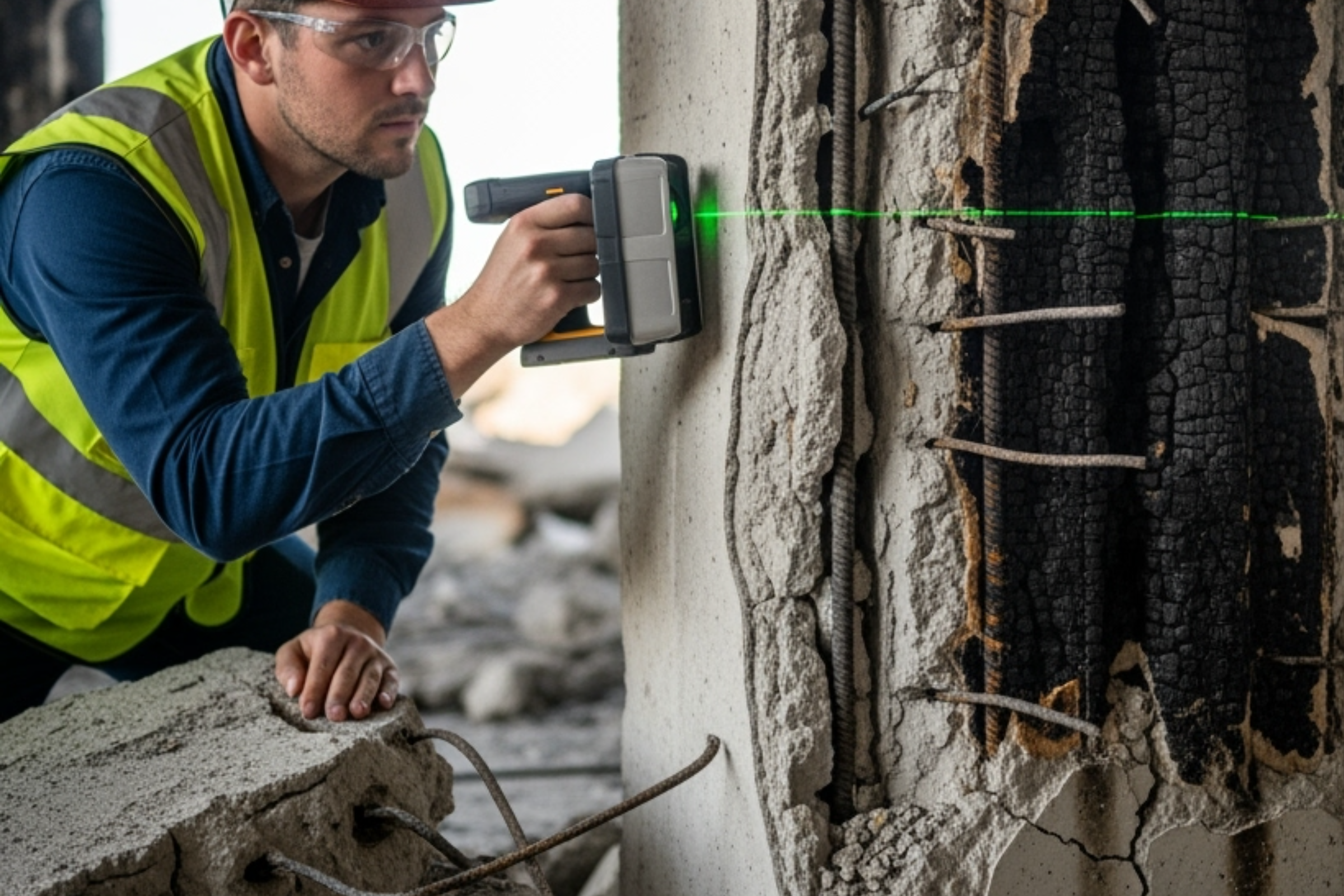
When a structure experiences significant water exposure or fire, the impacts on its stability and safety can be profound. Water damage, often caused by flooding, burst pipes, or prolonged leaks, can undermine the strength of concrete, corrode rebar, and rot wooden supports. Fire, on the other hand, can weaken steel, spall concrete, and char critical load-bearing elements, sometimes leaving hazards that aren’t immediately visible.
After such incidents, visible signs like cracked walls, sagging ceilings, or warped beams may emerge, but hidden problems can be even more dangerous. Moisture can persist inside walls, leading to mold, rust, and slow deterioration, while fire can cause both superficial and deep-seated changes to a building’s materials. In commercial and residential properties alike, these risks threaten not only the structure but also the safety of occupants and the investment made in the property.
Timely inspection is critical to identify and address these issues before they escalate. Waiting too long can increase repair costs and reduce the chances of successful recovery. Whether you are managing a large business asset or your family’s home, understanding these risks—and acting quickly—ensures safer, longer-lasting construction.
After water or fire damage, the first step is a thorough, systematic evaluation. This begins with a safety-focused visual inspection to identify any imminent hazards—such as unstable walls, ceilings, or exposed wiring—that could endanger those entering the building. Immediate issues should be cordoned off to prevent accidents.
Next, it’s essential to engage construction industry experts with experience in both commercial and residential projects. These professionals bring the expertise needed to assess structural systems, often using advanced tools like concrete scanning equipment. This technology allows inspectors to view what’s happening beneath the surface without causing further harm to already damaged materials, helping to identify cracks, voids, or rebar corrosion.
Comprehensive documentation is a crucial part of the process. Inspectors will take photographs, record notes, and map out affected areas to build a complete picture of the damage. This information is used not only for insurance claims but also to guide future repairs.
Finally, the evaluation process prioritizes areas for more intensive testing and analysis. High-risk zones—such as load-bearing columns, beams, or critical joints—may require targeted attention to ensure structural integrity isn’t compromised. This step-by-step approach lays the groundwork for effective, informed repairs.
A reliable structural assessment hinges on targeted testing methods that can uncover both visible and hidden damage. Non-destructive techniques are often the first line of investigation. For instance, ground-penetrating radar and ultrasonic testing enable inspectors to see inside concrete, detecting voids, cracks, or rebar placement without damaging the structure further.
Concrete coring is another vital method, allowing professionals to extract small samples from structural elements. By analyzing these samples in a laboratory, experts can measure strength, density, and the extent of any chemical changes due to heat or moisture exposure. Moisture meters are frequently used to detect lingering dampness within walls or slabs, as high moisture levels can lead to future deterioration and mold growth.
Testing for corrosion is especially important in reinforced concrete. Water and fire can accelerate the rusting of embedded steel, weakening the overall framework. Specialized probes and sensors help identify corrosion early, enabling cost-effective interventions.
At times, load testing is performed on critical beams and columns, applying controlled pressure to verify their carrying capacity. All these techniques generate accurate data, which is vital for determining the safest and most cost-effective path forward for repairs.
Once the full extent of structural damage is known, effective repair strategies can be designed. Concrete repair often starts with localized interventions, such as patching cracks and spalls or resurfacing weakened areas. Epoxy injections are commonly used to fill deep cracks, restoring both strength and durability without extensive demolition.
In cases where damage is more severe, reinforcement or partial replacement of structural members may be necessary. Damaged sections of concrete or steel are carefully removed using professional concrete cutting tools, ensuring precise, controlled work that minimizes further impact on the structure.
Concrete coring may also play a role in restoration, especially when installing new utility lines or adding reinforcement rods. The goal is to restore both the function and appearance of the affected areas, so that the repaired structure meets modern standards for safety and use.
Throughout the process, quality and integrity must be the foundation. Skilled professionals adhere to industry best practices, selecting the right repair materials and methods for the specific situation. This attention to detail ensures the repaired structure is as robust and reliable as it was before the incident—or even stronger.
Successful recovery after water or fire damage requires a plan that balances safety, cost, and productivity. Every project—whether a family home or a large commercial facility—demands a tailored approach that addresses its unique challenges. For residential projects, the focus is often on rapid restoration of living spaces while ensuring lasting quality. Commercial projects, on the other hand, must also consider business continuity and regulatory compliance.
Cost-effective solutions start with accurate assessments and smart repair methods. Professional concrete services can recommend targeted repairs that address core issues, avoiding unnecessary replacements and reducing overall costs. Involving experts early in the process helps streamline recovery, ensuring that quality and integrity aren’t sacrificed for short-term savings.
Productivity is another key consideration. Efficient project management and scheduling can minimize downtime, allowing occupants or businesses to resume normal operations quickly. This often involves phased work or temporary supports so repairs can proceed safely without major disruptions.
Finally, a consultative approach—characterized by clear, ongoing communication—ensures all stakeholders are informed and comfortable with each step of recovery. By prioritizing responsiveness and reliability, project leaders build trust and deliver outcomes that stand the test of time.