
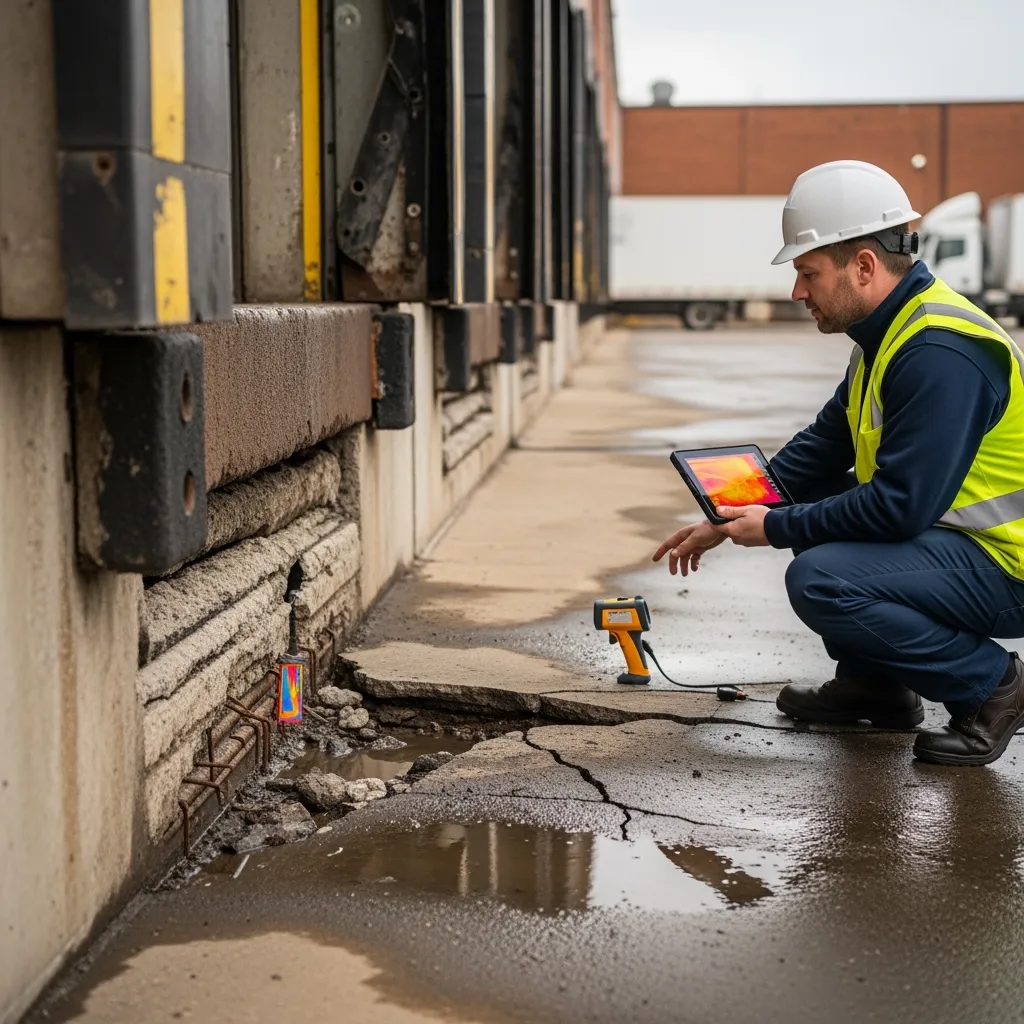
In the world of commercial property management, it’s easy to overlook small cracks in a loading dock, spalling on a stairwell, or slight settling in a warehouse floor. These early warning signs often appear harmless and may not seem urgent compared to larger projects, but they are the first indicators of underlying problems. When these minor issues are left unattended, the damage doesn't just sit idle—it grows. Cracks widen, water seeps deeper, reinforcing steel corrodes, and concrete’s integrity weakens.
This chain reaction can lead to structural problems that threaten the safety and usability of the building. For businesses, these escalating issues can result in workspace closures, safety hazards, and interruptions that inconvenience tenants or disrupt productivity. The expense of fixing a neglected crack is minimal compared to the extensive reconstruction often required after years of deferred maintenance. Proactive attention to these early symptoms is the foundation for maintaining the value and safety of a commercial property, saving significant time and money down the line.
Delaying necessary maintenance in commercial concrete properties doesn’t just postpone costs—it magnifies them. A small repair, such as patching a crack or sealing a joint, can often be completed quickly and with minimal expense. However, when issues are ignored, water, salt, and chemicals seep into the concrete, exacerbating corrosion and accelerating decay. The damage extends beyond cosmetic concerns, often compromising structural components like columns, beams, and slabs.
Once deterioration reaches this stage, repairs become much more involved. What began as a straightforward fix now requires disruptive demolition, replacement of steel reinforcement, and sometimes even full-scale reconstruction. These projects not only demand far greater financial investment but also lead to prolonged facility downtime. Moreover, insurance premiums may rise and liability risks increase, as neglected hazards raise the likelihood of accidents and claims.
Industry studies consistently demonstrate that every dollar deferred in maintenance can result in four to five dollars in future repair costs. By confronting small issues early, property owners avoid the exponential escalation of both expense and risk, reinforcing the value of timely, professional concrete repair.
Every commercial property has high-risk areas for concrete failures—basements, load-bearing walls, parking structures, and mechanical rooms are particularly susceptible. These zones often conceal utility lines, post-tension cables, and structural reinforcements that aren’t visible from the surface. Without proper assessment, maintenance or renovation efforts like cutting or coring can accidentally damage these vital components.
This is where advanced concrete scanning technology makes a critical difference. By using ground-penetrating radar and other non-invasive tools, professionals can map out hidden features, ensuring that planned work steers clear of utilities and structural supports. When concrete cutting or coring is required, this precise information minimizes the risk of costly mistakes, accidental outages, or even catastrophic failures.
Relying on expert services in these procedures isn’t just about efficiency—it’s about safety and compliance. A professional approach prevents unnecessary disruptions, legal complications, and unplanned expenses. Investing in thorough scanning before any intrusive work supports the integrity of the building and avoids the domino effect of damage and downtime that poorly planned interventions can trigger.
Cost-effective maintenance is not about finding the cheapest patchwork solution; it’s about making informed decisions that optimize long-term value and safety. This starts with a strategic maintenance plan that includes regular inspections, clear documentation of issues, and scheduled repairs tailored to the needs of the property. Engaging professional concrete services ensures that assessments are accurate and solutions are custom-fit, reducing the risk of oversight.
Experienced providers bring a consultative mindset, evaluating the site holistically to recommend interventions that balance speed with quality productivity. Projects are executed in ways that minimize downtime while meeting or exceeding the highest industry standards. Integrity is critical during every phase—cutting corners might save upfront, but it almost always leads to bigger bills and headaches in the future.
Routine maintenance visits, especially those utilizing advanced scanning and assessment methods, can catch hidden vulnerabilities before they escalate. By prioritizing transparency and collaboration, property managers can allocate budgets wisely, extend the lifespan of their assets, and maintain a safe, appealing environment for occupants and visitors alike.
The transition from reactive to proactive maintenance marks a turning point in the stewardship of any property. Waiting for issues to become emergencies is an outdated and expensive approach. Instead, a forward-thinking strategy involves scheduling regular check-ups, allocating resources for preventive repairs, and using data to guide maintenance decisions.
A proactive plan leverages insights from concrete scanning, thorough site evaluations, and expert recommendations. This minimizes surprises and ensures that budgets are used wisely, not wasted on emergency fixes that disrupt operations and erode asset value. Collaboration is key—property managers, maintenance personnel, and professional service providers must work together, sharing knowledge and coordinating efforts to keep facilities in top condition.
By making proactive maintenance a foundational practice, owners and managers of commercial and residential properties can avoid the dramatic cost escalations that come with deferred repairs. This approach not only safeguards the structural integrity and safety of the building but also boosts its market appeal and reputation. Ultimately, forward planning supports the goals of quality productivity and cost-effective solutions, preserving both the property and the bottom line for years to come.