
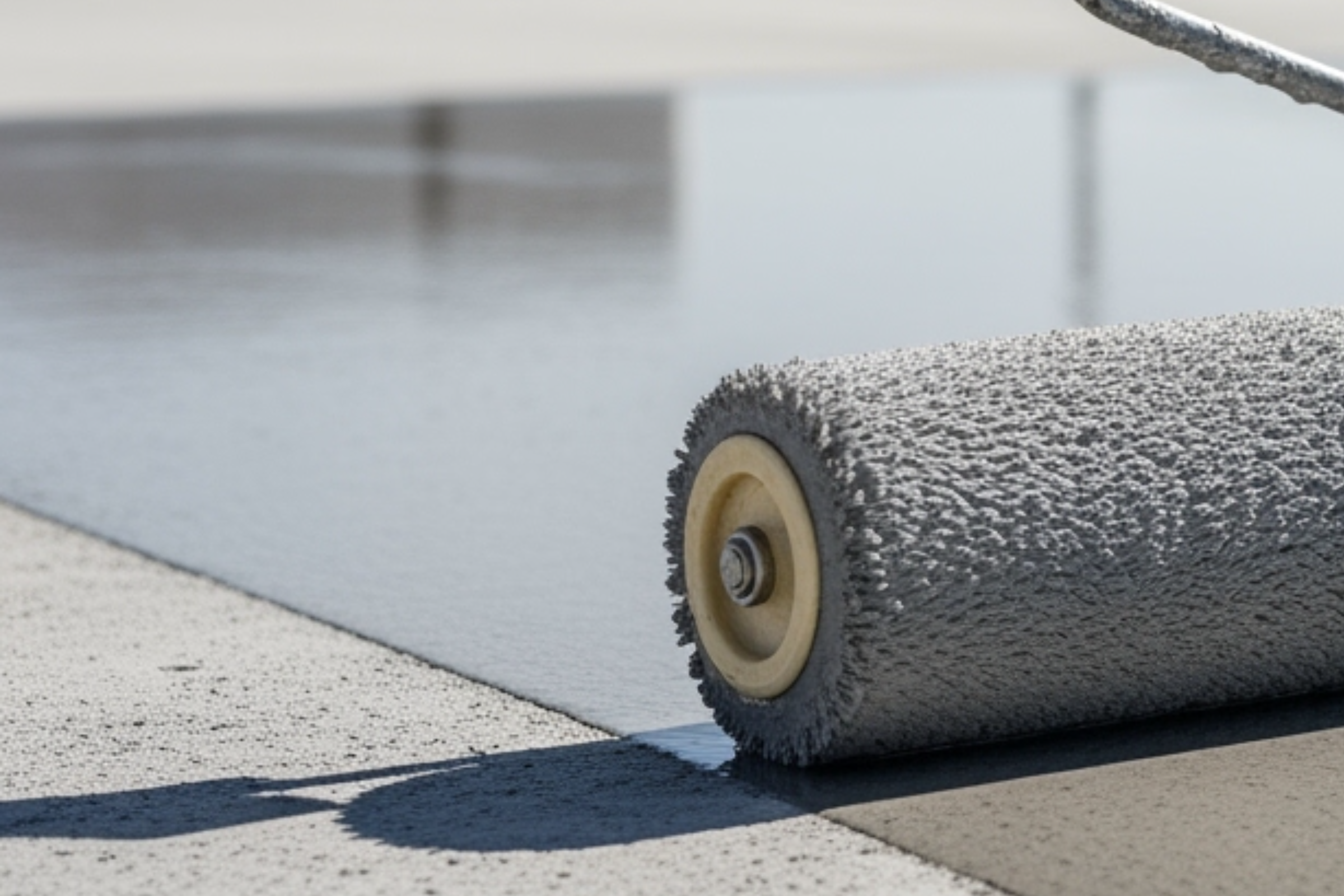
In today's construction landscape, exposed concrete surfaces are at the frontline of every project, serving as floors, walls, and structural platforms. These surfaces not only support heavy loads but also endure constant traffic, equipment movement, and exposure to the elements. Without proper protection, concrete can become vulnerable to moisture infiltration, freeze-thaw cycles, chemicals, and abrasion—all of which can compromise its strength and appearance over time.
The utility of exposed concrete goes beyond simple durability; it often forms the foundation for precise construction techniques like concrete coring, which creates essential pathways for plumbing, electrical, and HVAC systems. Unprotected surfaces are riskier to core, as cracks or deterioration may undermine both safety and compliance.
Surface protection—using sealers, coatings, or hybrid solutions—acts as a critical barrier. It prevents moisture intrusion, limits chemical damage, and shields against surface wear. This protective layer doesn’t just enhance durability; it also preserves the clean, professional appearance that clients and inspectors expect on site.
Moreover, by investing early in comprehensive surface protection, construction teams can avoid expensive repairs or downtime later in the project lifecycle. In an industry where deadlines are tight and margins are slim, maintaining the condition of exposed concrete is not just best practice—it is essential for top-tier performance and long-term value.
Exposed concrete is engineered for resilience, but its longevity is constantly challenged by the rigors of construction environments. Routine foot traffic, placement of materials, and operation of heavy machinery each contribute to gradual surface abrasion. Over time, this steady wear can lead to pitting, dusting, and the loss of surface strength, especially in entryways, corridors, and equipment bays that see the most use.
Environmental exposure also plays a significant role. In the Lower Mainland, frequent rain, freeze-thaw cycles, and occasional chemical spills (such as de-icing agents or cleaning solutions) can accelerate surface deterioration. These elements penetrate through microcracks, leading to internal damage and, eventually, surface spalling or scaling.
Adding another layer of complexity, concrete coring is an essential part of modern construction. Whether for plumbing penetrations, electrical wiring, or HVAC ductwork, core drilling creates necessary holes in slabs and walls. However, these penetrations, if left unprotected or poorly sealed, can become entry points for water and chemicals, compromising the surrounding concrete. Each core or anchor hole introduces new stress concentrations; without a strategy for resealing or reinforcing these areas, premature cracking or structural concerns can arise.
Integrating surface protection with coring and penetration planning helps ward off these issues. By choosing the right treatments before and after drilling, and by maintaining robust surface barriers, construction teams ensure that both the surface and subsurface remain resilient against daily and long-term challenges.
Selecting the appropriate protective solution for exposed concrete is more nuanced than it appears. Construction professionals must weigh the specific demands of each project area—especially where core drilling and high use intersect. The choice between a coating and a sealer depends on the intended use, anticipated wear, and future maintenance needs.
Coatings, such as epoxies, polyurethanes, and high-performance acrylics, provide a robust, often glossy barrier on the surface. These products are ideal for high-traffic zones, loading bays, or areas exposed to harsh chemicals. Epoxy coatings are especially valued for their hardness and chemical resistance, while polyurethane offers superior flexibility and abrasion protection. Acrylic coatings, though less durable, can enhance appearance and provide moderate protection for lighter-use spaces.
Sealants, on the other hand, penetrate the concrete to form a chemical barrier beneath the surface. Silane and siloxane sealers are popular for their breathability and hydrophobic properties, making them suitable for areas exposed to moisture or freeze-thaw cycles. These treatments harden the slab at a microscopic level, reducing dusting and limiting water ingress while leaving the concrete’s appearance relatively unchanged.
For cores and penetrations, using a sealer or compatible patching material after drilling is crucial. The product chosen must adhere well to both the original concrete and any filling compound used, maintaining the surface barrier while accommodating future service needs. Compatibility is essential—some coatings may hinder future repairs or core extractions, while certain sealers may require reapplication after disruptive work.
It’s also vital to consult with material suppliers and coring professionals to ensure the selected product will not interfere with the precision or integrity of future drilling operations. By carefully matching protection strategies to site demands, construction teams maximize both immediate and long-term concrete performance.
Effective surface protection is as much about preparation and maintenance as it is about product choice. The first and most critical step is thorough surface preparation. Any dust, laitance, oil, or previous coatings must be removed to ensure new coatings or sealers bond effectively. Power washing, mechanical grinding, or shot-blasting are common methods to create a clean, porous surface ready for treatment.
Application methods vary by product. Coatings are typically rolled or sprayed in multiple thin layers to achieve consistent coverage and build up resistance. Sealers may be sprayed, brushed, or flooded onto the surface to saturate the pores. It’s crucial to follow manufacturer guidelines for temperature, humidity, and cure times, as these factors can greatly affect product performance and lifespan.
Once the protective barrier is in place, regular inspection becomes essential. High-use areas, especially around core drillings, anchor holes, and penetrations, should be checked for signs of wear, peeling, or chemical attack. Any damage should be repaired promptly—delayed attention can allow moisture or contaminants to penetrate, accelerating deterioration.
Routine maintenance ensures longevity. This often involves sweeping, gentle power washing, and avoiding harsh or incompatible cleaning agents. Many coatings and sealers require periodic reapplication; keeping a maintenance schedule based on manufacturer recommendations and observed wear will maximize the protective effect.
Finally, documenting all coring, cutting, and repair activities is critical. Detailed records help teams monitor previously penetrated areas, ensuring they receive adequate retreatment and remain compliant with safety and performance standards. This proactive approach safeguards both the surface and the structure beneath, extending service life and reducing costly interventions.
Long-term durability for exposed concrete begins at the design stage and continues throughout the life of a structure. Early collaboration between construction teams, coring specialists, and maintenance personnel is essential for optimizing both the layout of service penetrations and the long-term performance of surface protection systems.
Planning for penetrations—whether for plumbing, electrical, or HVAC systems—should be closely coordinated to avoid unnecessary holes and to cluster pathways in areas where surface protection can be systematically applied and maintained. This approach not only preserves structural integrity but also simplifies the process of resealing or recoating after coring is complete.
Timing is crucial. Surface protection strategies should account for the project schedule, ensuring that treatments are applied before high-traffic use, and that allowance is made for touch-ups or reapplications after major core drilling or repairs. Selecting products that are compatible with future reapplication is a smart investment, enabling teams to maintain surface barriers without having to strip and redo large areas.
Finally, fostering a culture of maintenance and documentation within the project team ensures ongoing durability. Keeping detailed records of all coring, penetrations, and surface treatments allows for timely interventions and helps demonstrate compliance with industry standards during inspections.
By integrating these best practices, construction professionals ensure that exposed concrete surfaces retain their strength, reliability, and appearance for years to come—supporting not just the immediate needs of a project, but the ongoing success of the built environment.