
Concrete removal inside an active high-rise is never just about cutting concrete. It is about precision, planning, and complete control over risk.
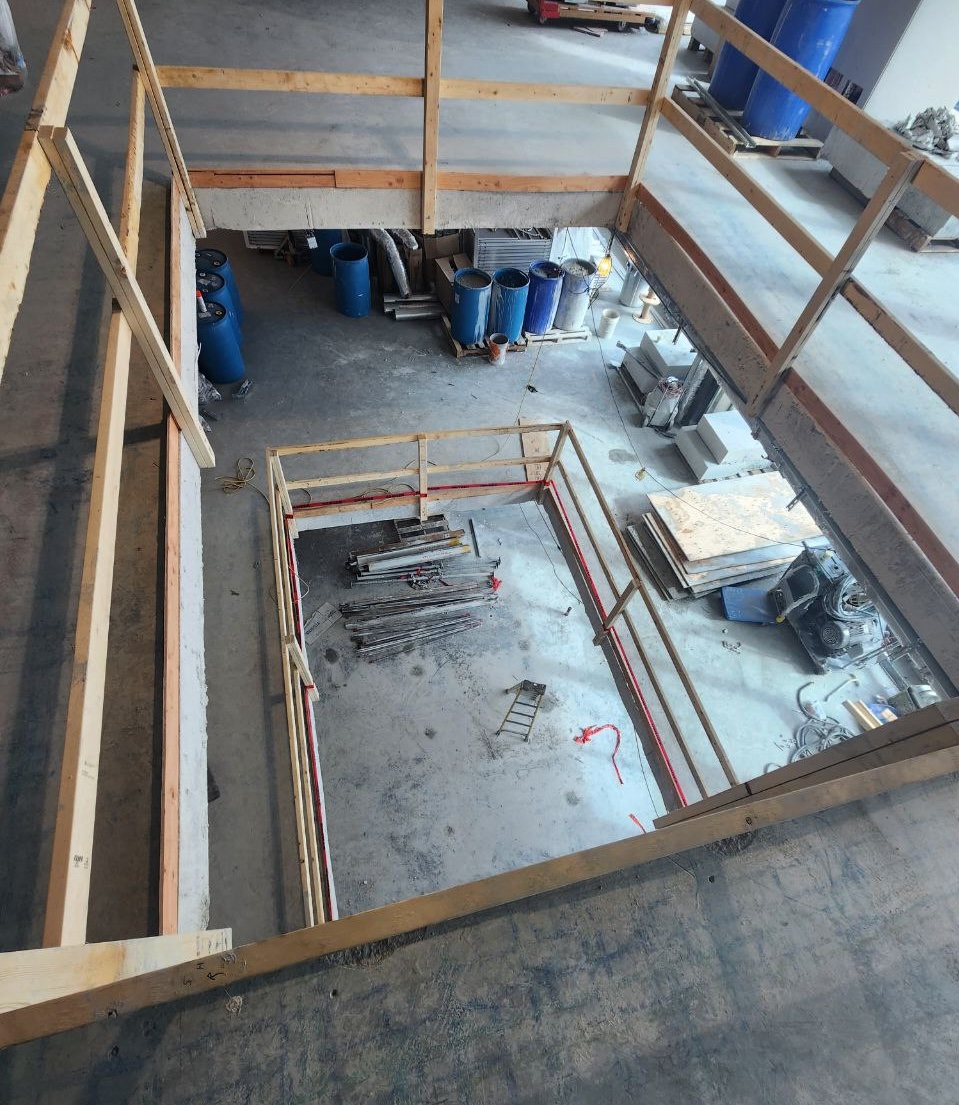
In this project, RapidCrete was tasked with removing over 100 tons of suspended slab concrete between post-tension cables across three levels of a fully operational residential tower in downtown Vancouver. The work had to be done without disrupting occupants, without compromising structural integrity, and under strict environmental controls.
The objective was to create three vertically aligned slab openings for a new internal staircase.
This project combined multiple high-risk conditions:
This was not just a cutting job. It required full coordination between engineering, planning, and execution.
Precision in Post-Tension Slabs
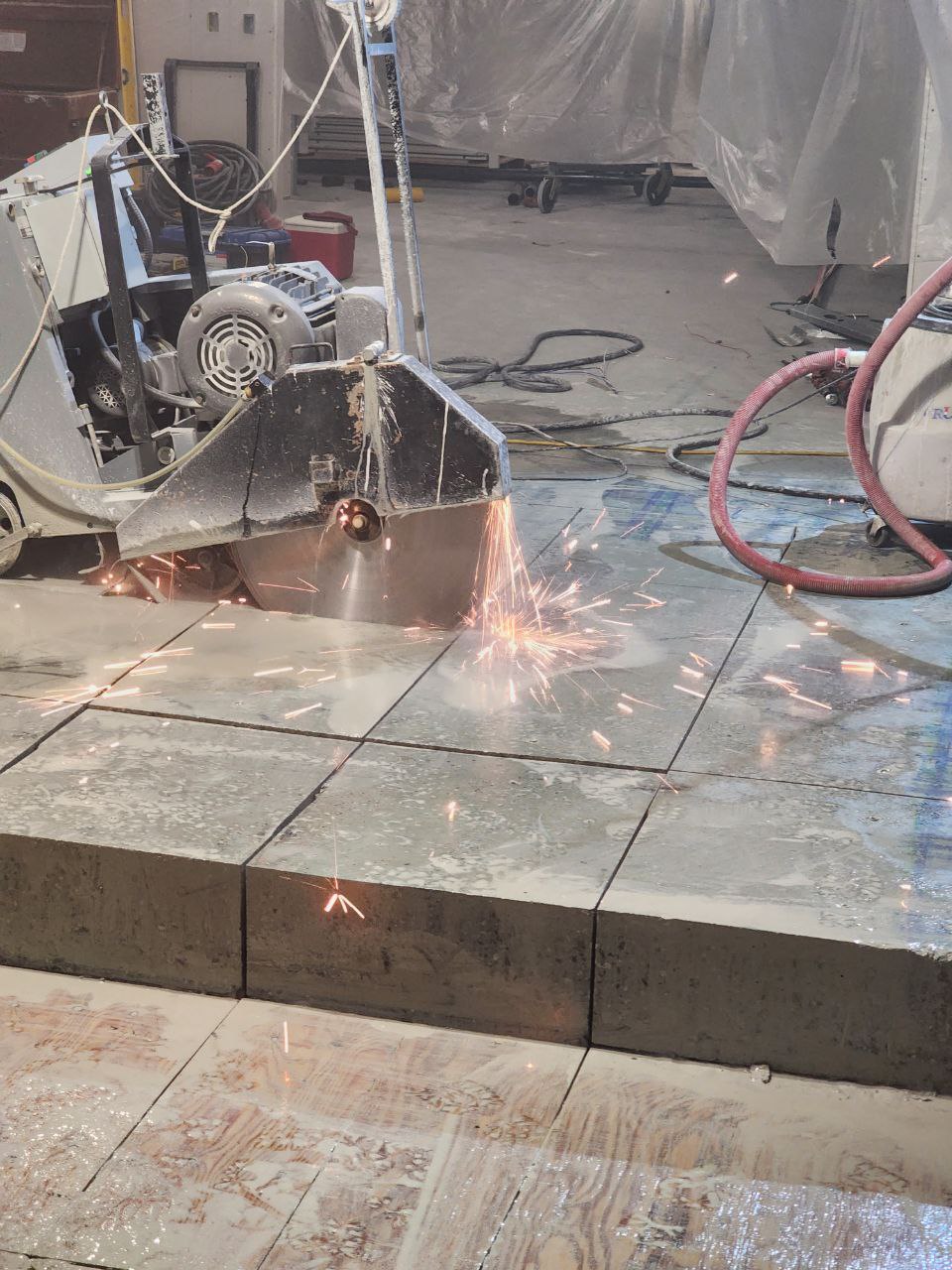
The slab was post-tensioned, and cutting had to be performed exactly between tensioned cables.
To achieve this, pilot core drilling was performed at the corners to ensure vertical alignment before full cutting began.
Engineering and Load Control
Removing large sections of suspended slab required careful structural management.
Full Responsibility Under One Sub-Contractor
RapidCrete was responsible for the entire scope:
All approvals were obtained from the property manager, general contractor, and other stakeholders before work began.
Detailed Planning and Coordination
A comprehensive work plan was submitted that included:
Every aspect of the job was planned before execution started.
The project progressed largely as planned due to an accurate upfront assessment.
One challenge identified during scanning was rebar congestion in certain areas. This required adjustments to cutting locations and sequencing to avoid cutting directly through rebar.
These changes were made early and did not impact the overall schedule.
Instead of providing only cutting services, RapidCrete delivered a complete solution.
The client was given:
By handling everything from engineering to execution, RapidCrete removed the need for multiple subcontractors and simplified accountability.
The project followed a structured process:
The work was completed without deviation from the approved plan.
The outcome extended beyond the project itself.
The property manager, satisfied with the execution, introduced RapidCrete to other unit owners in the building, resulting in additional work within the same high-rise.
1. One Contractor, Full Control
Managing the full scope under one contractor simplifies coordination, reduces risk, and creates clear accountability.
2. In-House Capability Matters
Having scanning, cutting, shoring, and disposal capabilities in-house allows for better control, faster decisions, and higher confidence for the client.
3. Planning Drives Execution
When planning is done correctly, execution becomes predictable. This project was successful because every step was defined before work began.
Projects like this require more than technical skill. They require ownership, coordination, and precision at every stage.
RapidCrete continues to support complex structural work by delivering complete solutions that clients can rely on.