
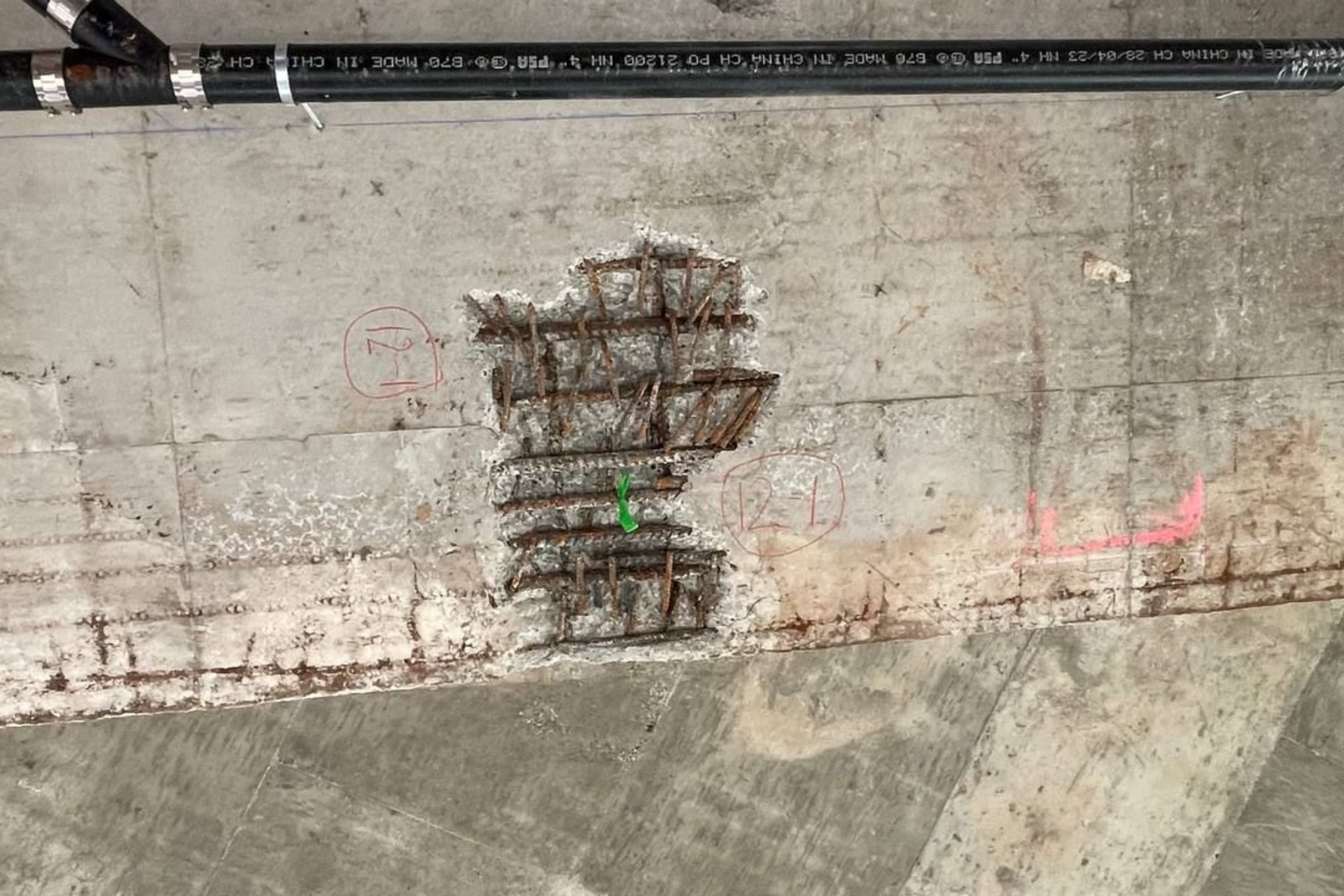
Vancouver is known for its mild, wet winters—but for concrete structures, these conditions can be deceptively tough. Unlike regions where cold is dry, Vancouver’s winter weather combines heavy rainfall with frequent cycles of freezing and thawing. This pattern is particularly harsh on concrete, as water seeps into pores and tiny surface cracks. When temperatures dip below zero, the water inside the concrete freezes, expanding and forcing the material apart on a microscopic level. As temperatures rise again, the ice melts, and the process repeats—gradually widening cracks and causing the surface, known as the “skin” of the concrete, to flake or spall.
In areas with high foot or vehicle traffic, the impact is even greater. Not only does rainwater and meltwater find its way into every crevice, but de-icing salts and chemicals, commonly used for safety, can react with the concrete, further weakening it over time. Left unaddressed, these factors can accelerate wear and even lead to costly structural damage.
Both residential and commercial property owners must understand these local environmental pressures. Proactive maintenance and attention to the unique features of Vancouver’s climate are essential steps in preserving the value and safety of concrete patios, driveways, walkways, and building foundations throughout the winter months.
As the days grow shorter in Vancouver, early fall is the ideal time to inspect your concrete surfaces. A systematic inspection allows you to catch minor issues before the harsh winter climate magnifies them. Begin with a careful visual check for surface cracks, chips, loose edges, or areas where the surface appears to be flaking. Pay extra attention to high-traffic walkways, driveways, balconies, and structural supports, as these areas are especially susceptible to wear and tear.
Small cracks, typically less than a quarter inch wide, can often be cleaned and filled with a high-quality sealant. This simple intervention prevents water from entering and freezing within the concrete, which can turn an innocuous hairline crack into a much larger problem by spring. For larger cracks, hollow-sounding areas, or places where the surface is breaking away, it may be time to consult construction industry experts. Professional concrete repair services not only address surface issues but can also assess underlying structural concerns that aren’t always visible to the naked eye.
For commercial and industrial sites, a concrete scan can reveal subsurface voids, rebar positioning, or weaknesses that might otherwise go unnoticed. Early detection and targeted repairs are far more cost-effective than emergency fixes after major damage has occurred. Making inspection and repair a regular part of your pre-winter routine is a practical investment in both safety and long-term structural health.
Water is the primary enemy of concrete during winter, capable of causing significant damage when it seeps in and freezes. One of the most effective ways to safeguard your concrete is by implementing a solid waterproofing strategy. The options vary depending on whether the surface in question is a driveway, patio slab, foundation wall, or structural column.
Applying a high-quality waterproof membrane or a penetrating sealer is an excellent start. These products are designed to form a protective barrier over or within the concrete, reducing the absorption of water. Penetrating sealers, in particular, soak into the concrete’s pores and chemically bond with it, providing long-lasting defense against Vancouver’s wet conditions. For below-grade structures such as basements or foundation walls, vapor barriers and specialized coatings can keep moisture out and prevent seepage that could compromise building integrity.
Don’t overlook the importance of managing drainage around your property. Ensure gutters and downspouts direct water away from concrete slabs and check that the ground slopes away from structures to prevent pooling. For larger commercial projects, it may be necessary to install or maintain drainage systems to cope with heavy rainfall.
Regular maintenance is also essential. Sealers and membranes need to be reapplied according to manufacturer recommendations—often every two to five years. By taking these preventative steps, you’ll significantly reduce the risk of water-related freeze–thaw damage and help maintain the longevity and appearance of your concrete structures.
Concrete is engineered to move, especially in fluctuating temperatures. Joints, cuts, and openings are intentionally created to allow for this movement without causing uncontrolled cracking. As winter approaches, these features require particular attention to ensure they continue to perform their protective roles.
Expansion joints are installed to absorb the stress of the concrete's natural expansion and contraction as temperatures swing above and below freezing. Over time, joint sealants can deteriorate, crack, or pull away, leaving gaps that allow water to seep in. When water enters these spaces and freezes, it can push the slabs apart, leading to significant structural problems. Inspect all expansion and control joints, and promptly repair or replace any compromised sealants.
Control joints and saw cuts, which are often used to manage where cracking occurs, should also be checked for cleanliness and integrity. Debris or plant growth in these joints can trap moisture, while open joints can act as pathways for water infiltration. Clearing and filling these gaps as needed is a straightforward yet vital maintenance step.
For commercial and industrial projects, core drilling often creates openings for utilities or other services. If these cored holes are no longer in use, they should be sealed to prevent water from entering and causing freeze–thaw damage below the surface. Employing professional concrete cutting and coring services ensures precise, high-quality work that preserves the structural integrity and long-term durability of your concrete.
While DIY maintenance has its place, certain concrete issues demand professional expertise. Extensive cracks, spalling, or signs of structural movement should not be left to chance. Construction industry experts are equipped with advanced concrete scanning and diagnostic tools to reveal hidden flaws and assess the full scope of needed repairs, ensuring nothing is overlooked.
Professional concrete repair, cutting, and coring services go beyond simple patchwork. They address underlying causes, whether it’s compromised reinforcement, moisture intrusion, or foundation settling. Certified technicians follow best practices for safety and durability, bringing every project up to code—essential for both commercial and residential properties.
Early intervention is the key to avoiding costly emergency repairs when winter is at its harshest. Scheduling a site assessment before the first freeze allows experts to tailor cost-effective solutions that fit your property’s specific needs. Whether you manage a high-traffic commercial facility or are responsible for residential building maintenance, partnering with qualified professionals ensures your concrete structures are properly protected against Vancouver’s unique climate challenges.
Investing in professional concrete services now pays off by safeguarding your assets, supporting quality productivity, and upholding the integrity of your structures for many winters to come.