
How Technology Is Transforming Concrete Restoration in 2026
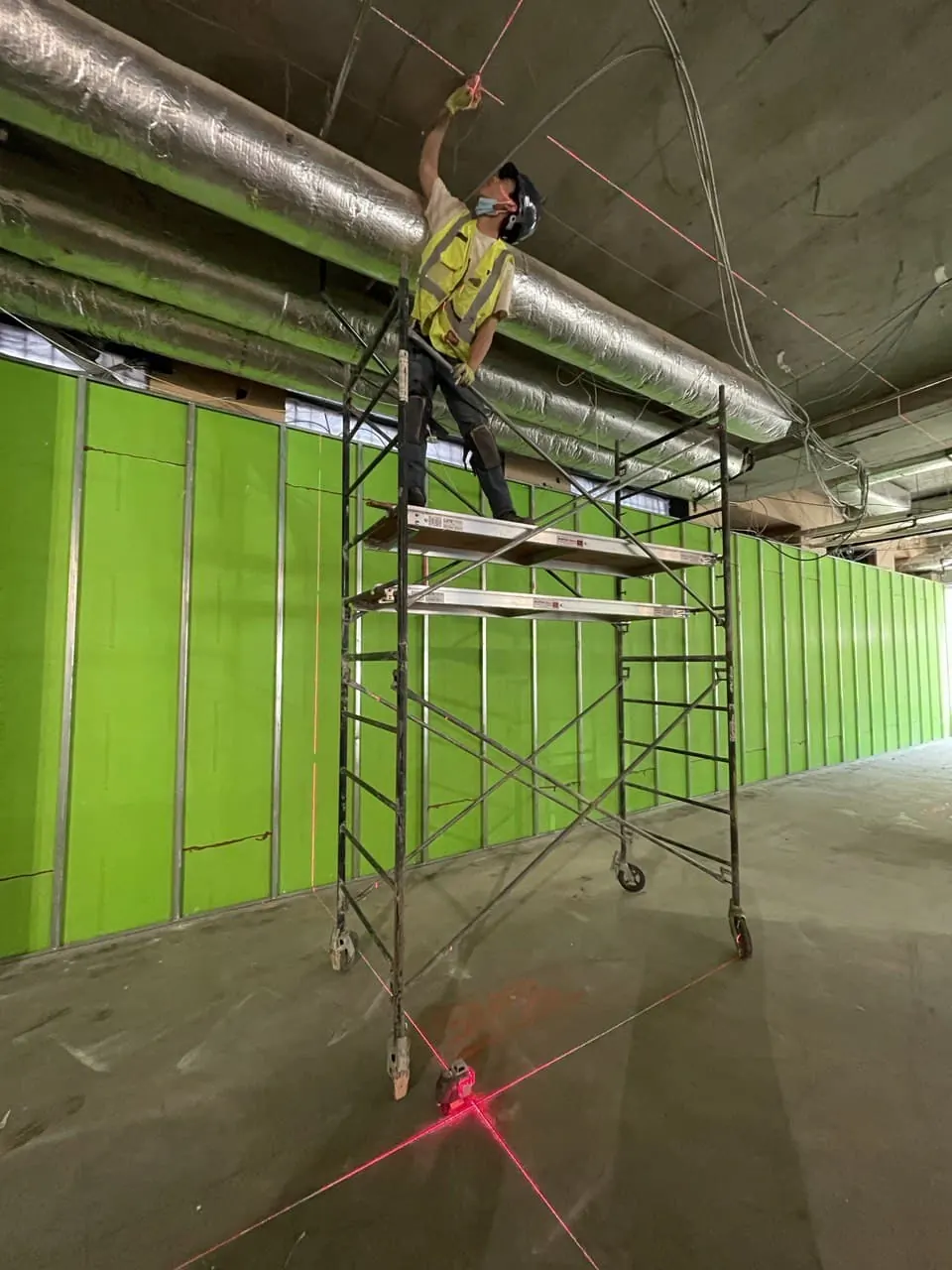
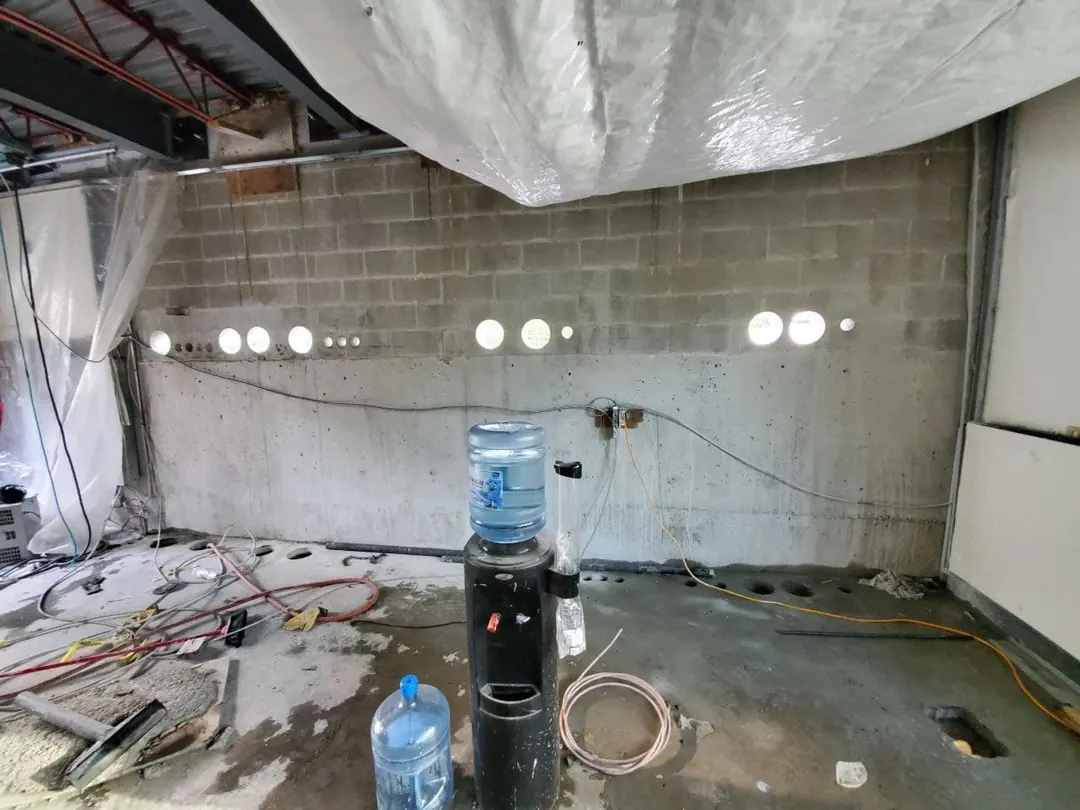
Concrete restoration once relied on experience, visuals, and educated guesses. That still matters—judgment counts—but the work has changed.
In 2026, repairs are more precise because the data is better. Teams scan slabs before opening them, detect moisture before coatings fail, and compare current conditions to past inspections. AI now sorts notes, flags defects, and structures reports fast.
Technology doesn’t make restoration simple. Concrete still cracks for many reasons, water still exploits weak points, and rebar still corrodes. But sharper diagnostic tools are changing how repairs are scoped, priced, and executed.
What this looks like in the field
Why restoration is more data-driven
Restoration sits between new construction and emergency response, often starting with incomplete information. Misjudging conditions is expensive—underestimate and repairs fail early; overestimate and owners pay for unnecessary demolition, cutting, coring, and replacement.
Now, the best plans are built on condition data, not just visuals. This shift improves scopes, reduces surprises, and keeps costs in line.
Digital scanning refines the first step
What’s inside the concrete? On older structures, drawings may be missing, repairs undocumented, and embeds unpredictable. Scanning cuts guesswork.
GPR is now standard
Modern GPR provides clearer images, better depth, and faster interpretation—locating rebar, conduits, tendons, voids, and thickness changes before cutting or coring.
Why it matters:
- Safety: Avoid hitting post-tension cables or live conduits.
- Accuracy: Plan cuts and cores precisely; align repairs with actual reinforcing and deterioration.
Result: fewer surprises for owners, fewer delays for crews.
3D scanning and photogrammetry add surface context
Laser scanning and high-res mapping document settlement, spalls, joint distress, and geometry over large areas. Clear locations and dimensions tied to a digital model save time and reduce conflicts, especially in phased work.
Scanning enables selective, not broad, demo
Better data targets only damaged areas, protecting sound concrete and reducing dust, noise, downtime, and waste—crucial in occupied buildings.
AI speeds reporting—without replacing judgment
AI helps with the tedious parts: sorting photos, consistent defect labels, summaries, and comparisons across visits.
Computer vision flags visible defects
Platforms detect cracking, spalls, rust stains, delamination indicators, and joint separation, sometimes estimating crack widths. They aid consistency but don’t diagnose root causes—context still matters.
AI consolidates field data
Tools now:
- Match images to map locations
- Summarize recurring defects
- Draft area-based priorities
- Compare with prior inspections
- Generate condition summaries for handoffs
Faster, clearer reports mean better decisions.
Human review remains essential
AI spots patterns, not accountability. It can misread stains, shadows, sealants, patches, or dirt, and confuse symptoms with causes. Use AI to amplify experts, not replace them.
Moisture detection is more precise—and pays off early
Water drives freeze-thaw, chlorides, corrosion, and adhesion failures. Early signs are subtle; newer tools make them visible.
Moisture mapping goes beyond spot checks
Expect a mix of:
- In-slab RH tests
- Surface meters
- Infrared thermography
- Embedded/wireless sensors
- Data logging over time
- Hygrometric testing pre-coatings
Concrete moisture is uneven across zones and seasons. Mapping reveals patterns, not isolated numbers.
Infrared + sensors find hidden wet areas
IR highlights thermal anomalies that often correlate with moisture, delamination, or leakage—but needs careful interpretation. Sensors add trend data to distinguish temporary dampness from chronic intrusion.
Better moisture diagnosis prevents failed repairs
Understanding moisture before work informs materials, timing, prep, drainage, waterproofing, or vapor mitigation—avoiding rework.
Data-driven inspections reduce reactivity
Condition histories turn snapshots into trends, helping answer:
- Is damage stable or spreading?
- Are certain zones failing faster?
- Does moisture spike after weather?
- Are some slab areas consistently weaker?
- Is corrosion advancing below intact surfaces?
Budgets shift from the loudest complaint to measurable risk.
Drones extend reach
For facades, decks, walls, yards, and roofs, drones capture detail safely and feed the same reporting systems. Hands-on verification still follows, but coverage and documentation improve with less setup.
Digital twins on larger assets
Owners combine geometry, scans, maintenance, repairs, and inspections into living models. Teams see what was done, when, with what, and what happened next—making recurring issues easier to trace.
What this means on site
- Tighter repair boundaries
- Safer cutting and coring
- Methods matched to actual conditions
- Fewer surprises after demo
- More realistic budgets and schedules
- Stronger documentation for all parties
Investigation and execution are now intertwined: tools, labor, diagnosis, documentation, sequencing, and evidence-based planning.
Real limits still apply
Scanners need skilled operators. AI errs. Moisture data gets misread. Models are only as good as inputs. Old buildings hide surprises. Data can pile up unused. Budgets vary.
Restoration isn’t automated or perfectly predictable—it’s just less blind. That matters.
How to use these tools wisely
Ask: What information do we need for the next decision?
- Start with the failure mode
- Corrosion: moisture, chlorides, cover, rebar location
- Slab modification: scan before cutting/coring
- Coating failure: moisture and surface condition first
- Demand clear deliverables
- Repair maps, moisture trends, marked scan layouts, and plan-tied summaries
- Combine data with experience
- Numbers plus field judgment yield the best outcomes
- Be honest about what data proves, what it doesn’t, and what needs confirmation
The bigger shift: trust in diagnosis
Technology boosts confidence before work begins. Teams trust layouts; owners trust scopes; engineers decide with evidence; contractors face fewer unknowns. The starting point improves—and in restoration, that’s everything.
Diagnose well and repairs have a real chance. Miss the cause and even good work solves the wrong problem.
That’s why digital scanning, AI reporting, moisture detection, and data-driven inspections matter in 2026. They don’t make concrete simpler—they make it clearer. For an industry long challenged by hidden conditions, that’s a meaningful change.