
How Technology Is Transforming Concrete Restoration in 2026
Concrete restoration used to involve educated guessing—sound out hollows, note cracks, take cores, plan repairs. Experience still matters. But in 2026, there’s far less guessing.
New tools let teams see inside concrete, track moisture early, and document issues with clarity. The result: better planning, safer work, and fewer surprises.
Technology isn’t making restoration magical, it’s making it honest. It shows what’s happening inside, not just what appears on the surface.
Why concrete restoration is getting more precise
Concrete ages in messy ways. Water, corrosion, freeze-thaw, salts, coatings, and old repairs all complicate things.
Two identical-looking cracks can require very different fixes. That’s why modern restoration is shifting from “repair what you see” to “repair what the data confirms.”
Inspections now blend visual checks with digital records, scanning, moisture mapping, and faster reporting—leading to clearer scopes and fewer change orders.
Digital scanning is changing the first step
Scanning has moved from nice-to-have to standard.
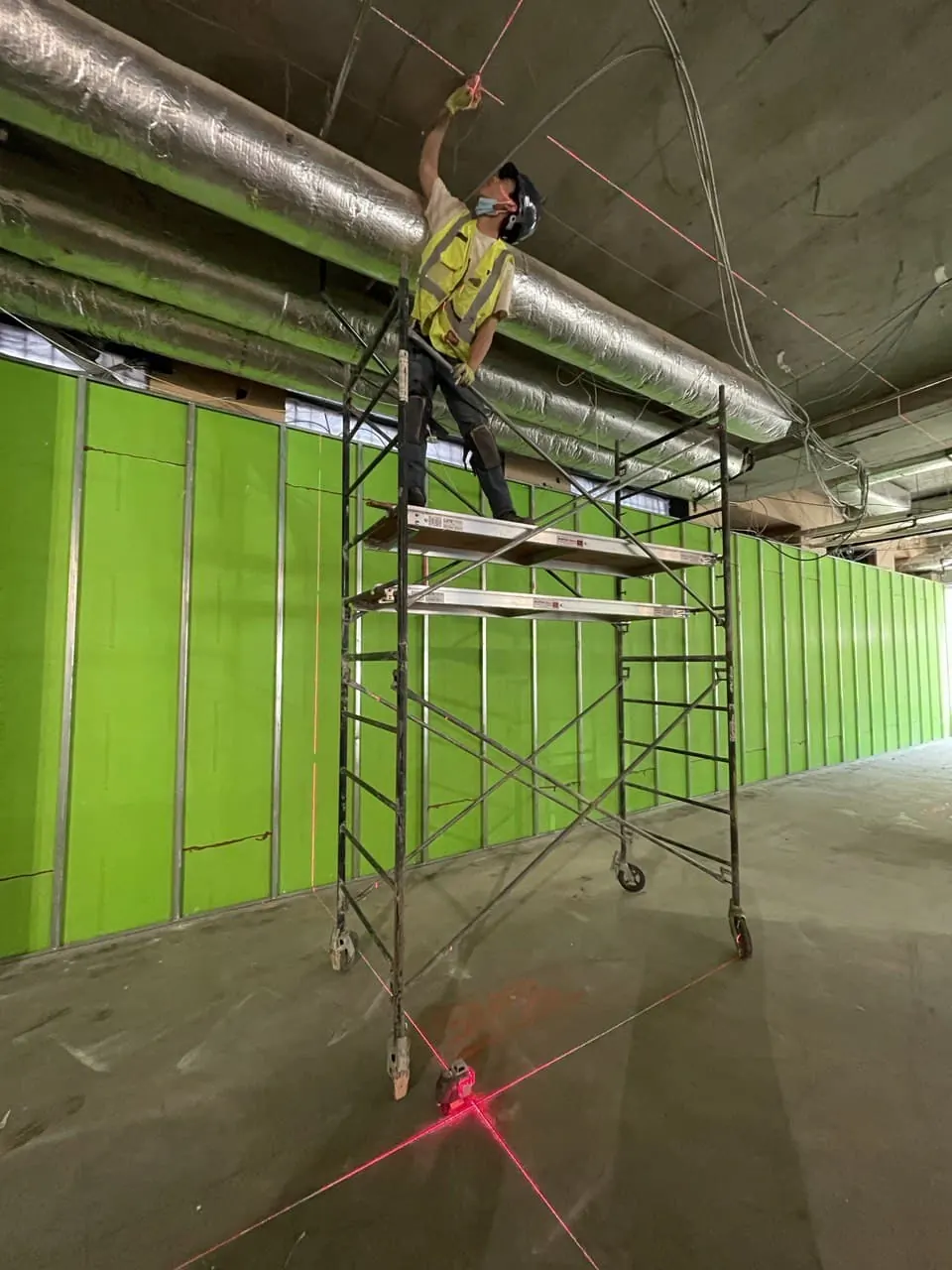
It locates rebar, conduits, post-tension cables, voids, and slab changes before drilling, sawing, or demolition—preventing damage and danger.
In 2026, scans are faster, clearer, and easier to share. GPR remains common, but software now converts scans into digital maps and reports.
That changes the workflow for:
concrete repair in active buildings
selective demolition
concrete cutting for openings or trenching
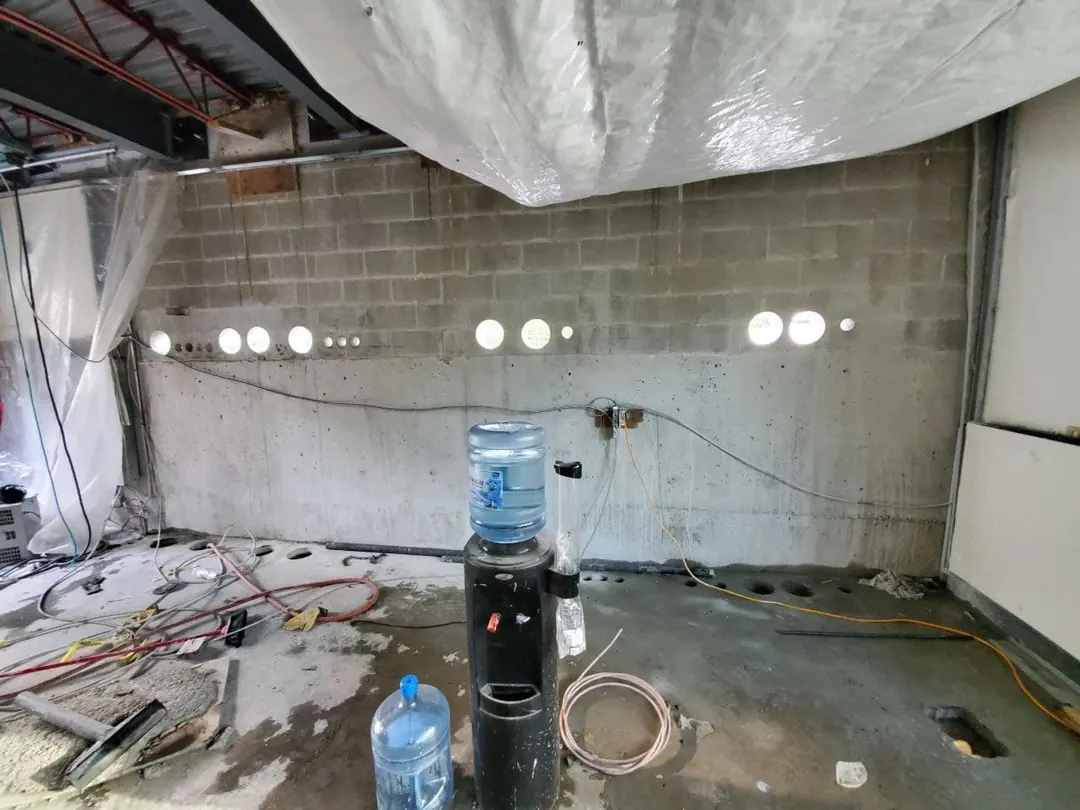
concrete coring for MEP work
restoration where structural integrity matters
Field marks still help, but now they’re backed by saved scan files, geotagged images, and records—especially useful with multiple trades.
What digital scanning does well
It answers key questions before work starts:
Where is the steel?
Any conduit here?
Post-tension nearby?
Voids or thickness changes?
Is cutting/coring safe?
Better info = smaller repair areas, tighter schedules, less rework.
Where scanning still has limits
Results depend on operator, equipment, reinforcement density, moisture, and structure. Congested slabs are harder to read; ambiguity happens. Scanning informs judgment—it doesn’t replace it.
AI reporting is speeding up the boring but important work
Reports used to eat time. AI now organizes photos, scans, plans, and notes automatically—tagging defects, grouping by location, drafting summaries, and comparing to past reports.
Faster reporting = faster decisions.
What AI is actually good at
labeling/sorting photos
detecting crack patterns
summarizing moisture and scan notes
spotting recurring defects
drafting priority lists
standardizing documentation
It saves hours on large assets and clarifies findings for non-specialists. But AI shouldn’t diagnose root causes alone—human review still matters.
The best use of AI in restoration
Not “let software decide,” but “let software surface patterns.” It supports experts; it doesn’t replace them.
Moisture detection is getting the attention it deserves
Moisture hides and drives many failures—corrosion, coating issues, bond problems, freeze-thaw, and premature repairs.
Newer tools are giving a fuller picture
Modern assessments build a moisture profile using:
non-destructive meters
in-slab RH probes
infrared/thermal imaging
sensor monitoring
digital moisture maps tied to plans
Used together, they show where water enters, moves, and whether drying is real—critical before repairs or coatings.
Moisture data helps avoid the wrong repair
It prevents doing work twice. Mapping can reveal sources far from visible damage, guiding accurate scopes and smarter timing.
Data-driven inspections are replacing isolated snapshots
Teams now build records over time—combining scans, moisture, crack measurements, repair history, loads, exposure, drone imagery, and visuals—to spot trends.
What that changes on real projects
A parking deck with recurring patch failures might show:
elevated moisture after rain
shallow past repairs over chloride-contaminated zones
widening joint cracks
corrosion staining along drainage paths
That drives better budgets, scopes, and fewer disputes.
Inspection data also improves safety
Knowing hazards, delamination spread, moisture activity, and structural concerns leads to safer access, removals, cutting, and coring.
What all this means for repair quality and productivity
With better inspections, crews can:
define repair boundaries
match materials to conditions
reduce unnecessary demolition
avoid hitting embedded items
document clearly
coordinate smoothly
Fewer interruptions, less rework, more consistent workmanship.
Technology is helping smaller projects too
The same tools benefit homes, strata balconies, and targeted repairs—where tight budgets and sensitive spaces leave no room for bad assumptions.
Better tools = fewer unknowns, clearer scopes, better decisions.
The human part still matters
Tools don’t repair concrete—people do. Skilled technicians, inspectors, PMs, and crews turn data into decisions. The goal isn’t to replace judgment, but to back it with evidence.
Final thought
Technology reveals hidden conditions and clarifies decisions. Scanning improves planning, AI speeds reporting, moisture tools expose root causes, and data ties it all together.
For concrete repair, that means clearer risk, stronger documentation, and more reliable planning—real progress where details matter.