
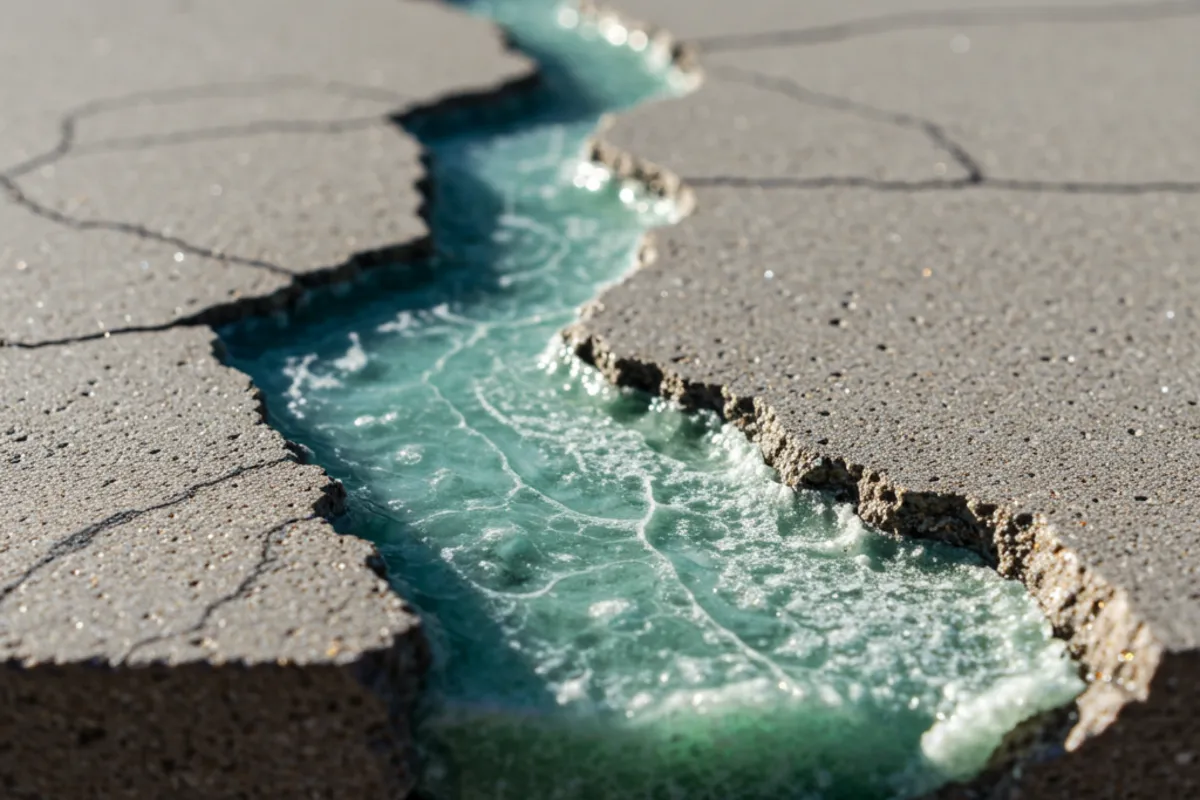
Concrete is renowned for its strength and durability, but it is not immune to cracking. Understanding why cracks form is critical for effective concrete repair and preservation of structural integrity. The most common causes of concrete cracks include shrinkage as the material cures, thermal expansion and contraction due to temperature fluctuations, and stresses from structural loads or settlement. Additionally, environmental factors such as freeze-thaw cycles, chemical exposure, and seismic activity can exacerbate cracking.
Cracks in concrete generally fall into two categories: structural and non-structural. Structural cracks compromise the load-bearing capacity of the element and pose significant safety concerns, while non-structural cracks are typically cosmetic but can still allow moisture penetration. Cracks can also be characterized by their size, ranging from hairline fissures to wider gaps, each requiring a tailored approach for repair.
Ignoring cracks can lead to serious consequences. Water ingress through cracks can cause corrosion of reinforcing steel, leading to spalling and further deterioration. Over time, this may reduce the structural integrity of the concrete and affect the safety and functionality of the entire building. Additionally, visible cracks can decrease property value and deter potential buyers or tenants.
Early detection and repair are essential to prevent minor issues from escalating into major structural problems. By addressing cracks promptly, property owners and managers can maintain the safety, appearance, and long-term value of their assets.
Epoxy injection is a specialized technique widely used in concrete restoration to address cracks that threaten the structural integrity of a building. This method employs a two-part epoxy resin system, which is injected under pressure directly into the crack. The resin penetrates the full depth of the crack, bonding the separated concrete sections together and effectively restoring the element’s original strength.
Epoxy injection is particularly suited for structural cracks—those that affect beams, columns, slabs, or foundations and are critical to the building’s load-bearing capacity. The process is most effective when cracks are dry or only slightly damp, as excessive moisture can interfere with the bonding process. Once cured, epoxy forms a rigid, high-strength adhesive bond that can withstand significant loads and stresses, making it ideal for repairing structural damage caused by settlement, overloading, or impact.
The benefits of epoxy injection include exceptional strength, durability, and long-term performance. By thoroughly fusing the cracked surfaces, it helps prevent further movement and restores confidence in the structural integrity of the concrete. However, epoxy injection does have limitations. It is not suitable for cracks subject to ongoing movement or for actively leaking cracks, as the rigid epoxy may crack again if the substrate shifts.
For situations where restoring structural capacity is the primary goal, epoxy injection stands out as a reliable and effective solution, ensuring that concrete elements can safely carry their intended loads for years to come.
Polyurethane injection serves as a flexible and highly effective solution for sealing cracks, especially when water ingress is a primary concern. This method involves injecting a liquid polyurethane resin into the crack, where it reacts with moisture present in the concrete or surrounding environment. The reaction causes the polyurethane to expand into a foam, thoroughly filling the crack and forming a watertight seal.
This technique excels in addressing non-structural cracks—those that do not compromise the load-bearing capacity of the concrete but can allow water and moisture to penetrate. Polyurethane injection is particularly valuable for actively leaking cracks or in environments where the concrete is wet or exposed to groundwater. The expanding foam not only stops leaks but also fills any voids or irregularities within the crack, preventing further water ingress.
One of the standout benefits of polyurethane injection is its flexibility. Unlike rigid epoxy, polyurethane retains some elasticity after curing, allowing it to accommodate slight movements in the concrete caused by thermal expansion, settlement, or vibration. This flexibility helps ensure a long-lasting seal, even in conditions where minor movement is expected.
However, polyurethane injection is not a structural repair method. While it excels at sealing and waterproofing, it does not restore the original strength of the concrete. For cracks that impact structural integrity, an alternative approach is required. Despite this limitation, polyurethane injection remains a go-to solution for managing leaks, protecting against moisture damage, and maintaining the usability of concrete areas such as basements, parking garages, and tunnels.
Choosing between epoxy and polyurethane injection for crack repair depends on a variety of factors, each method offering distinct advantages tailored to specific scenarios. Understanding their performance characteristics and applications is key to selecting the most effective solution.
Epoxy injection is known for its superior strength. Once cured, epoxy bonds the cracked concrete sections into a single, rigid unit, restoring the original load-bearing capacity. This makes it ideal for repairing structural cracks in foundations, beams, and slabs where structural integrity is paramount. However, its rigidity means it cannot accommodate future movement within the crack; if the substrate shifts, new cracks may form adjacent to the repair.
Polyurethane injection, in contrast, prioritizes flexibility and water resistance. The expanding foam adapts to irregular crack shapes and can effectively seal active leaks, even in wet environments. Its elasticity allows it to accommodate slight movements, making it suitable for non-structural cracks where ongoing expansion, contraction, or vibration is expected. While polyurethane does not provide structural reinforcement, it excels in waterproofing and leak prevention.
Durability is another key consideration. Epoxy repairs can offer decades of structural performance when applied correctly, provided the underlying cause of cracking is addressed. Polyurethane repairs are highly durable in terms of leak prevention and flexibility but may require reapplication if subjected to extreme movement or chemical exposure.
Surface preparation and application differ between the two methods. Epoxy injection typically requires thorough cleaning and drying of the crack to ensure effective bonding. Polyurethane injection, on the other hand, can be performed in wet conditions, making it more versatile for emergency repairs or environments with ongoing moisture.
Ultimately, the best choice hinges on the nature of the crack, the presence of moisture, expected movement, and the desired outcome—structural restoration or leak sealing.
Selecting the most appropriate crack repair method is essential for achieving long-lasting, reliable results that safeguard both property value and occupant safety. The decision should start with a careful assessment of the crack itself—measuring its width, depth, and location within the structure. Determining whether the crack is structural or non-structural is critical, as this defines the repair’s primary objective.
For structural cracks that threaten the integrity of load-bearing elements, epoxy injection remains the gold standard, offering robust restoration and long-term durability. In contrast, for non-structural cracks, particularly those associated with water leaks or in areas prone to movement, polyurethane injection provides a flexible and effective seal.
Environmental conditions also play a significant role in the selection process. Dry or slightly damp cracks are best treated with epoxy, while wet or actively leaking cracks call for polyurethane’s moisture-reactive properties. Additionally, the long-term goals of the repair must be considered: Is the aim to restore strength, prevent water ingress, or both?
Engaging with experienced professionals is highly recommended to ensure the chosen method aligns with the specific needs of the structure and the conditions at hand. Experts can provide tailored recommendations, factoring in not only the visible symptoms but also the underlying causes of cracking. They can also ensure proper surface preparation, application technique, and post-repair monitoring, all of which contribute to the durability and longevity of the repair.
By thoughtfully matching the repair method to the unique requirements of each situation, property owners and managers can preserve structural integrity, prevent future issues, and maintain the value and safety of their concrete assets for years to come.