
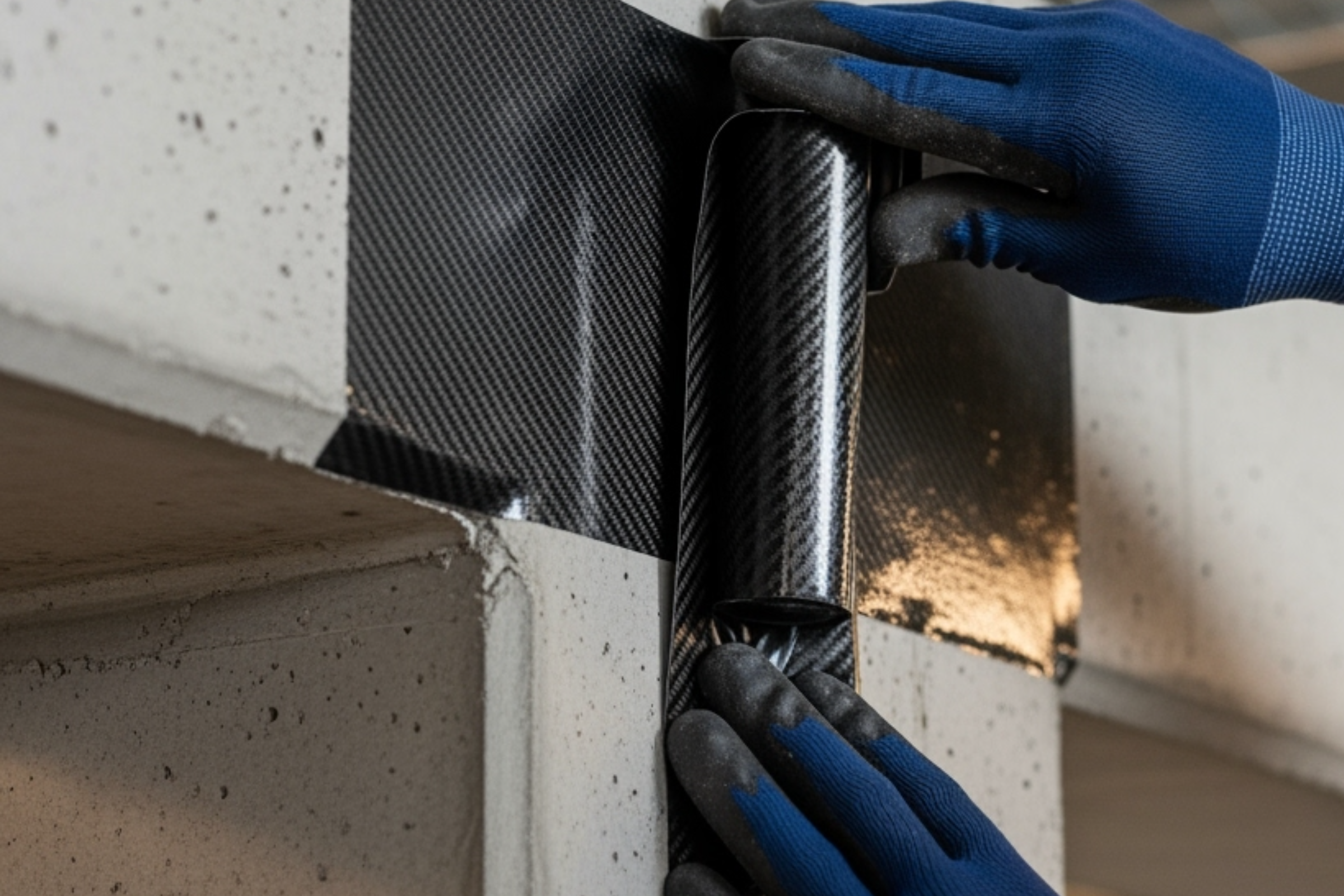
Advancements in material science have ushered in a new era for concrete repair and structural strengthening. Carbon fiber, a composite material with exceptionally high tensile strength and remarkable lightness, is now at the forefront of this transformation. Unlike traditional steel reinforcements, carbon fiber does not corrode, making it especially suitable for environments exposed to moisture and chemicals. The construction industry, always seeking better solutions, has begun to adopt carbon fiber reinforcement systems to meet the challenges posed by aging infrastructure and the need for increased load capacities in both commercial and residential projects.
As buildings age and usage patterns change, the demand for cost-effective, durable, and minimally invasive repair methods grows. Carbon fiber’s ability to restore and enhance the structural integrity of beams, slabs, and columns is a direct response to these evolving requirements. Its rapid application process and minimal impact on the building’s appearance further increase its appeal. By meeting rigorous standards of quality and productivity, carbon fiber reinforcement embodies the construction industry’s commitment to safe, long-lasting solutions—a commitment that aligns closely with the principles of integrity and reliability that professionals and property owners value.
Whether for routine upgrades, emergency repairs, or long-term retrofitting, carbon fiber is enabling a new standard in the way we maintain and future-proof our built environment.
Carbon fiber reinforcement is engineered to significantly enhance the strength and durability of existing structural elements. The process begins by thoroughly preparing the concrete surface, after which high-strength carbon fiber sheets, strips, or laminates are bonded with specialized epoxy resins. This method creates a composite action between the carbon fiber and the concrete, allowing the entire section to bear greater loads and resist deformation.
For beams, carbon fiber is typically applied along the tension face, increasing their ability to carry heavier loads and reducing the likelihood of cracking under stress. Slabs benefit from carbon fiber reinforcement by experiencing improved flexural and shear strength, which translates to fewer deflections and a greater resistance to long-term fatigue. Columns, often subjected to axial loads and seismic forces, can be wrapped with carbon fiber in a process that dramatically enhances their confinement and ductility. This retrofitting is particularly advantageous for columns in earthquake-prone areas or older structures not built to modern codes.
A notable advantage of carbon fiber systems is their adaptability to a wide range of shapes and configurations. The material’s flexibility allows it to conform to curved or irregular surfaces, making it ideal for complex retrofitting scenarios where traditional materials would be impractical. The installation is fast, clean, and requires minimal heavy equipment, meaning that disruption to building occupants and ongoing operations is minimized. Because carbon fiber systems cure rapidly, spaces can often be returned to service within hours or days, making this approach highly suitable for commercial and residential environments where downtime is costly.
Traditional structural retrofitting methods have long relied on the use of steel plate bonding, steel jacketing, or even complete replacement of compromised sections. While effective in certain situations, these approaches come with notable downsides. Steel is heavy, increases the overall weight of a structure, and is susceptible to corrosion over time. The installation processes are often labor-intensive, require significant downtime, and may necessitate extensive demolition or shoring.
In contrast, carbon fiber reinforcement offers a modern alternative that addresses many of these drawbacks. Its lightweight properties mean that it can be applied without adding meaningful dead load to a building, preserving the existing design intent and avoiding additional stresses on foundations. The installation of carbon fiber strips or wraps is straightforward, typically requiring far less labor and time than steel-based systems. This efficiency translates to substantial savings in both direct construction costs and indirect costs such as project delays and operational disruptions.
Durability is another key differentiator. Carbon fiber does not rust or degrade when exposed to water, salts, or most chemicals. As a result, structures retrofitted with carbon fiber require far less maintenance over their lifespan, and the risk of hidden deterioration is significantly reduced. From a cost-effectiveness standpoint, the initial investment in carbon fiber reinforcement is often balanced or exceeded by long-term savings on maintenance, repairs, and lost productivity. For both commercial and residential projects, this shift towards advanced composites represents a forward-thinking approach to preserving and enhancing concrete structures.
One of the standout benefits of carbon fiber reinforcement in concrete repair is its substantial impact on long-term costs and productivity. By strengthening existing beams, slabs, and columns, carbon fiber systems reduce the frequency and scale of necessary repairs. This, in turn, lowers ongoing maintenance expenses throughout the lifespan of a structure. Because carbon fiber is exceptionally durable and immune to common causes of deterioration, property owners enjoy peace of mind knowing their investment is protected against future damage.
Installation is swift and non-intrusive, which is particularly valuable for commercial properties where downtime can translate into lost revenue. Businesses can continue to operate, and residential occupants face minimal disruption during upgrades. This rapid turnaround increases overall productivity and reduces the indirect costs of repair projects—a key consideration for both owners and facility managers.
The long-term benefits also include increased adaptability. Carbon fiber reinforcement allows structures to accommodate new uses, heavier loads, or alterations without major overhauls. It can be employed to meet new regulatory codes or seismic requirements, thereby extending the functional life and value of buildings. Professional installation by construction industry experts ensures that the system is tailored to the unique demands of each project, maximizing performance and ensuring compliance with relevant standards. This consultative, expert-driven approach is essential for realizing the full value and reliability of carbon fiber retrofitting solutions.
A successful carbon fiber reinforcement project begins long before the materials are applied. Proper planning and assessment are crucial to ensure both safety and optimal results. One of the first steps is comprehensive concrete scanning, which uses advanced technology to map out embedded utilities, rebar, and potential hazards within the structure. This process prevents accidental damage during surface preparation and ensures that reinforcement is applied where it will be most effective.
Cutting and coring may be necessary to prepare concrete surfaces or to address existing flaws before carbon fiber application. These tasks should be executed with precision and care to preserve the structural integrity of the building. Professional concrete services employ specialized equipment and trained technicians to achieve clean, accurate cuts, minimizing dust and vibration that could affect neighboring areas.
A thorough assessment is essential to tailor the reinforcement system to the unique needs of each structure. Construction experts evaluate loading conditions, environment, and future requirements to design a solution that delivers long-term strength and reliability. Throughout the process, strict attention to quality and safety standards is maintained, ensuring that upgrades are performed efficiently and without compromise.
By combining advanced materials with professional expertise in scanning, cutting, and coring, property owners can confidently invest in carbon fiber retrofitting. The result is a durable, cost-effective, and future-ready solution that safeguards both the immediate and long-term productivity of commercial and residential projects.