
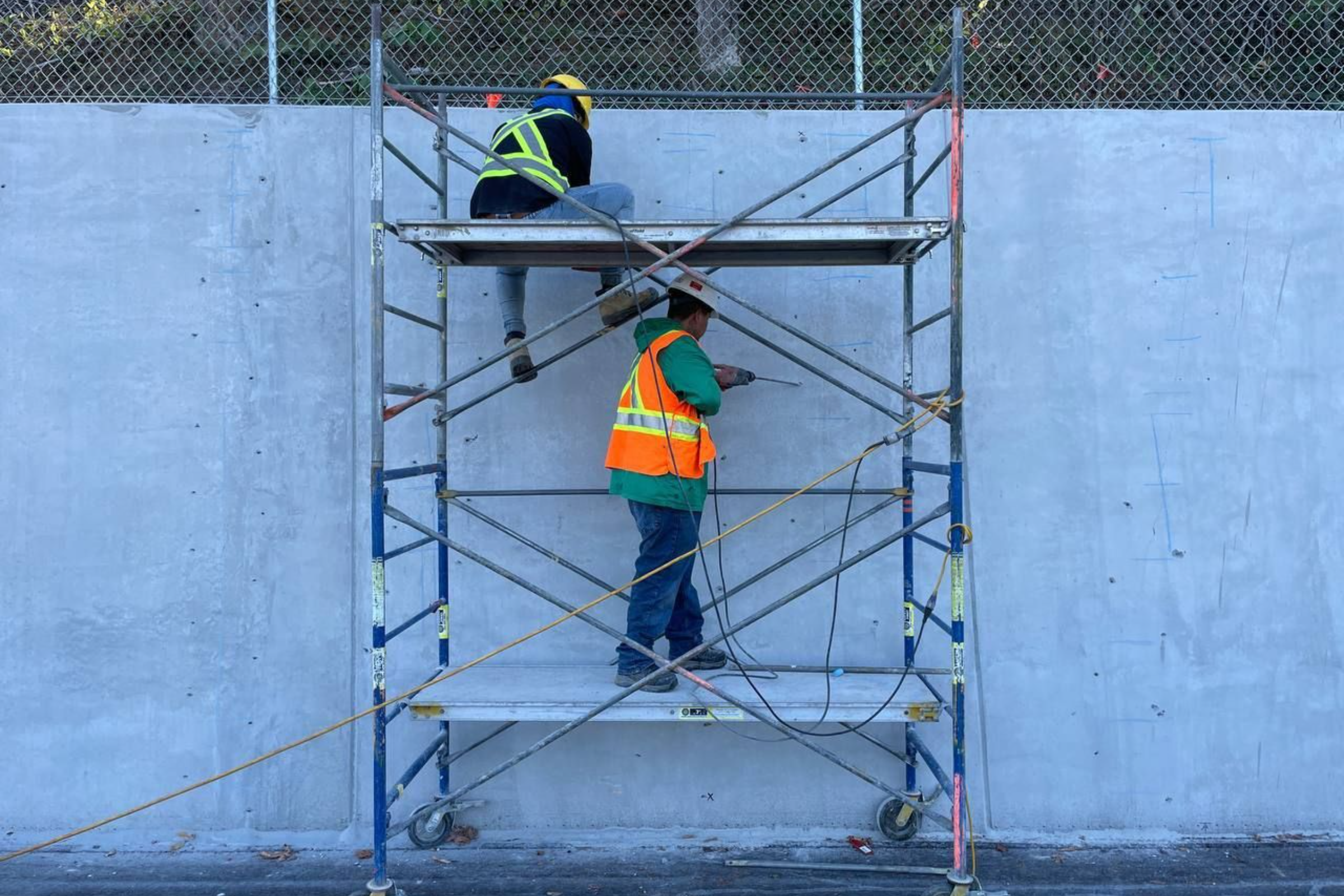
Anchors in concrete structures are more than just small components—they form the backbone of safety for everything from residential balconies to massive industrial fixtures. Every railing, facade, machinery mount, or suspended ceiling relies on anchors that must hold firm under pressure. This is where anchor load testing becomes non-negotiable. By subjecting anchors to forces they’ll experience in real-world conditions, load testing confirms whether these critical elements can withstand the demands of daily use and unforeseen stressors.
The consequences of skipping or inadequately performing these tests are severe: anchor failures can result in structural collapses, injuries, or even fatalities. For contractors and building owners alike, the risks include not only potential harm but also regulatory violations and expensive remediation work. It’s not just about initial installations, either; when repairs or upgrades are made to existing structures, new anchors or re-anchoring often require equally rigorous verification.
Conducting load tests early in the construction or repair process is a proactive step. It uncovers concerns before concrete is poured, finishes are applied, or costly equipment is installed. This early detection enables cost-effective solutions, maintaining both project timelines and safety standards. Ensuring the integrity of every anchor is central to compliance, quality productivity, and peace of mind for everyone involved in the construction industry.
In today’s fast-paced construction industry, anchor load testing is a systematic process that ensures reliability at every stage. The procedure begins with technicians setting up specialized equipment to apply measured forces directly to installed anchors. During the test, the anchor is subjected to incremental loads, simulating what it would experience—whether it’s supporting a safety railing in a residential building or heavy equipment in a commercial facility.
There are several key types of tests used in the field. Proof tests apply a load equal to the anchor’s expected working force, verifying that it holds without excessive movement. Ultimate tests push the anchor to failure, determining the maximum load it can withstand—vital for critical applications. Service tests monitor the anchor’s response to repeated loading, assessing long-term performance. Each approach has its place depending on project requirements and the intended use of the anchor.
Advanced testing equipment provides precise readings while also documenting results for compliance purposes. This data-driven approach supports accurate decision-making and traceability, both of which are essential for meeting regulatory obligations. Experienced technicians play a crucial role, not only in conducting tests but also in interpreting the outcomes. Their expertise ensures that the results reflect real-world conditions, guiding contractors toward the most cost-effective and safe solutions.
Professional concrete services often integrate anchor testing with other essential procedures—such as cutting, coring, and repair—to streamline workflows and enhance overall quality. This comprehensive approach supports efficiency and ensures that every aspect of the project meets the highest standards of integrity and reliability.
For any construction or renovation project, adhering to recognized safety standards is both a legal obligation and a professional imperative. In Canada and internationally, the Canadian Standards Association (CSA) and the American Society for Testing and Materials (ASTM) set the benchmarks for quality and safety in concrete anchoring. Contractors must be well-versed in these standards to ensure compliance and deliver structures that stand the test of time.
CSA A23.3 is the go-to guideline for the design of concrete structures in Canada, outlining how anchors are to be specified, installed, and tested. ASTM E488 and E1512 provide detailed protocols for testing anchors, including the load application method, duration, and evaluation criteria. Following these standards ensures that all anchors perform as expected, whether in new construction or retrofitting projects.
Compliance isn’t just about ticking boxes; it’s about maintaining a comprehensive record of all anchor tests performed. Accurate documentation of test results—complete with test setup details, load values, and technician notes—is vital for inspections, audits, and future reference. This transparency protects contractors and building owners, demonstrating due diligence and supporting dispute resolution if questions arise.
Crucially, CSA and ASTM standards inform not only how to test, but also when and how often to test. For example, safety-critical applications may require more frequent verification or additional types of testing. By following these guidelines, contractors can reduce liability, increase client trust, and deliver projects that meet the highest industry standards for safety and quality productivity.
Anchor load testing doesn’t happen in isolation; it’s most effective when integrated with other crucial concrete services such as scanning, coring, and repair. Each of these processes contributes to the accuracy, safety, and integrity of the finished structure.
Concrete scanning, typically using ground-penetrating radar or similar technology, is a vital first step before any anchors are drilled or tested. Scanning locates existing rebar, electrical conduits, and other embedded elements within the slab or wall, preventing accidental strikes that could compromise structural integrity or pose safety hazards. This proactive approach ensures that anchors are installed in safe, structurally sound locations—setting the stage for reliable load testing.
Coring is often necessary when precise holes are required for anchor installation or when repairs demand access to deeper concrete layers. By using professional coring techniques, technicians can create exact openings without damaging the surrounding material. This precision not only supports accurate anchor placement but also increases the likelihood of successful load tests.
When anchors are being repaired or reinforced—especially in aging or damaged structures—combining testing with targeted repairs ensures the overall system is robust. For instance, if a test reveals that an anchor does not meet load requirements, immediate repairs or reinforcements can be implemented without delay, maintaining project momentum and safety.
Using a single, qualified provider for scanning, coring, testing, and repairs streamlines project workflows, reduces coordination headaches, and minimizes disruption to ongoing operations. This integrated approach delivers cost-effective solutions, maintains high-quality standards, and supports the timely completion of both commercial and residential projects.
The value of anchor load testing goes far beyond a single pass or fail outcome—it’s about using the data to make informed decisions that directly impact building safety and performance. When test results reveal that an anchor meets or exceeds standards, contractors can proceed with confidence, knowing that the structure is ready for occupancy or use. If issues are detected, immediate corrective action can be taken, preventing more significant problems down the line.
For both commercial and residential projects, consistent load testing supports not only regulatory compliance but also the safety of occupants and users. Structures that undergo thorough testing and documentation experience fewer unexpected failures, reducing the need for disruptive repairs and costly liability claims. This attention to detail translates to long-term cost savings and preserves or enhances property value.
The most reliable results come from partnering with seasoned concrete professionals who understand the nuances of CSA and ASTM standards, as well as the complexities of real-world construction environments. These experts don’t just perform tests—they consult on the most effective, tailored solutions for each project, upholding a culture of integrity and reliability throughout the process.
Ultimately, making anchor load testing a standard practice is an investment in your reputation as a construction industry expert. It demonstrates a commitment to excellence, positions your projects for success, and ensures you deliver safe, quality structures that stand the test of time. By prioritizing rigorous testing and integrated concrete services, you lay the foundation for trust, safety, and productivity at every stage of your build.