
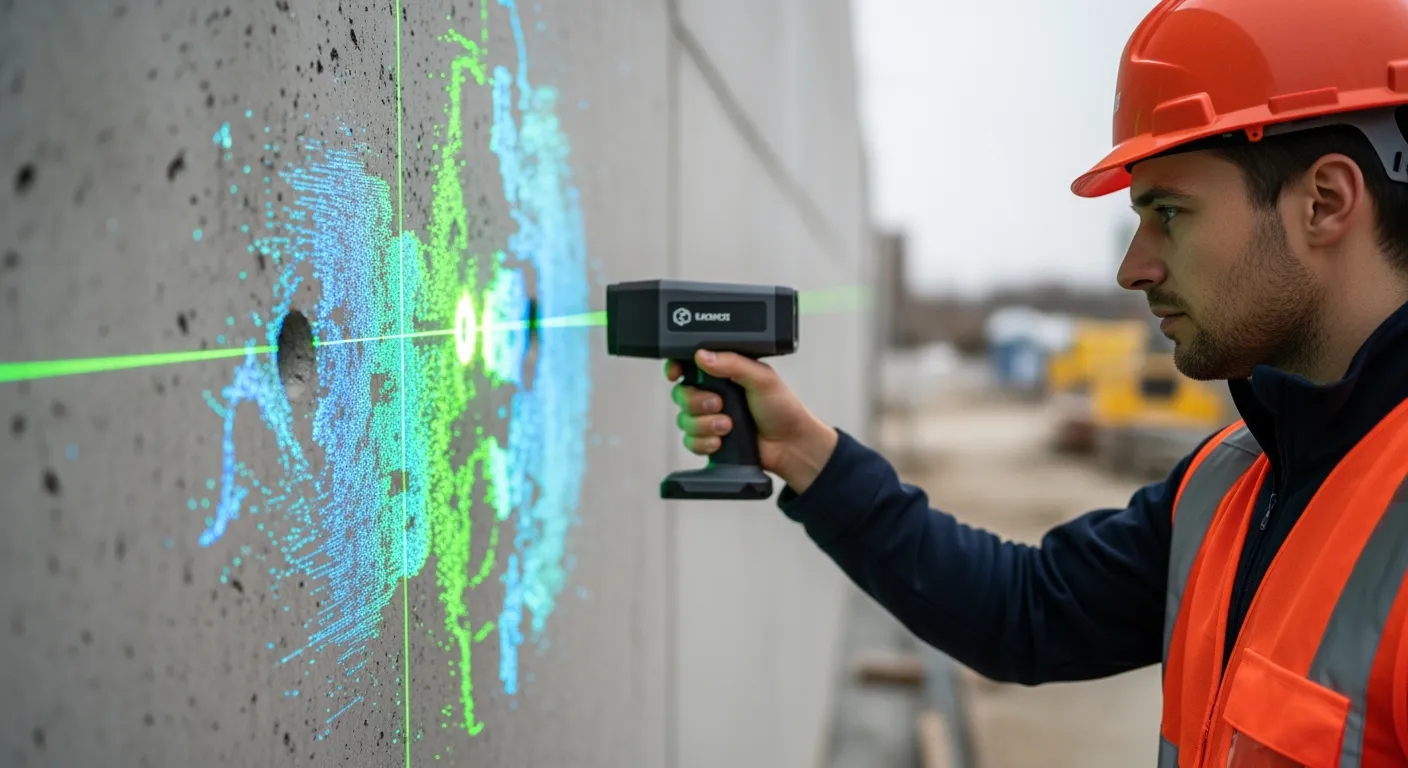
The landscape of concrete restoration is experiencing a dramatic transformation in 2026, fueled by rapid advancements in technology and a growing emphasis on maintaining structural integrity. Gone are the days when concrete repair was based on manual inspections, intuition, and trial-and-error solutions. Instead, today’s restoration projects harness powerful digital tools, offering unprecedented precision and reliability.
This shift is driven by a new generation of building owners and facility managers, all of whom prioritize the safety, longevity, and value of their assets. Whether overseeing a commercial complex, managing multifamily residences, or supervising infrastructure projects, stakeholders are demanding solutions that go beyond bare minimum compliance. They expect durability and data-backed decisions.
Furthermore, construction standards are evolving. Regulatory bodies and industry associations are raising the bar for repair quality, documentation, and environmental stewardship. As expectations climb, cutting-edge technology enables contractors and property managers to meet—and even exceed—these requirements.
For site superintendents and project managers, these advancements translate into fewer surprises, reduced risk, and greater confidence in every phase of a project. For property owners, it means investments that are protected and enhanced. The result is a new era of concrete restoration: one that is faster, safer, and more transparent than ever before.
Traditional approaches to assessing concrete structures often relied on surface observation and simple measuring tools, leaving room for missed defects and costly errors. In 2026, digital scanning technologies are fundamentally changing the way concrete restoration projects are approached, offering a level of clarity and accuracy that was once unimaginable.
Technologies such as ground-penetrating radar (GPR) and high-resolution 3D imaging allow teams to see beneath the surface of concrete slabs, walls, and foundations. These tools can pinpoint the exact location and size of cracks, uncover hidden voids, and identify embedded elements like rebar, conduits, and post-tension cables. For concrete repair contractors, this means the ability to tailor repair strategies to the precise needs of each structure.
Digital scanning also streamlines surface preparation. Knowing the composition, thickness, and condition of concrete ahead of time enables project managers to select the right repair materials and techniques, whether for epoxy injection, polyurethane injection, or specialized grout solutions. The result is a significant reduction in unexpected complications, project delays, and unnecessary expenditures.
With digital scanning, the shift from guesswork to precision is unmistakable. Every decision is informed by concrete data—literally—ensuring that repairs address the root of the problem and achieve the desired durability and functionality.
In 2026, artificial intelligence (AI) is no longer just a buzzword in construction—it is an essential driver of effective concrete restoration. AI-driven reporting platforms are revolutionizing inspections by automating the detection of cracks, delamination, and other structural issues. These systems analyze digital scans and sensor data in real time, identifying even the most subtle signs of deterioration that could compromise safety or structural performance.
AI-powered inspections go beyond simply flagging problems. By integrating historical maintenance records and environmental data, these platforms can predict future vulnerabilities and suggest proactive interventions. This shift from reactive to predictive maintenance empowers property managers and engineering firms to address potential issues before they escalate, protecting investments and extending the life of concrete assets.
The transparency and documentation offered by AI platforms also benefit regulatory compliance and insurance claims. Digital inspection reports, complete with annotated images and detailed analytics, create a reliable audit trail. This ensures accountability at every stage, from initial assessment to project completion.
Ultimately, the adoption of AI reporting and data-driven inspections is raising the bar for durability and longevity in concrete repair. Projects are no longer managed on intuition alone; instead, every decision is validated by robust data, reducing risk and enhancing confidence for all stakeholders.
One of the most persistent challenges in concrete restoration is the detection and mitigation of moisture-related issues. Left unaddressed, hidden moisture can lead to ongoing deterioration, mold growth, and repeated repairs. In 2026, advanced moisture mapping tools are giving contractors the ability to visualize internal humidity levels and pinpoint sources of leaks with remarkable accuracy.
Using non-invasive sensors and infrared imaging, concrete repair professionals can develop a comprehensive moisture profile of any slab, wall, or foundation. This data is critical for selecting the right repair approach—ensuring, for example, that water stoppage techniques like polyurethane injection are only applied where truly necessary.
Innovations in injection methods have also raised the bar for effective repairs. Epoxy injection is now tailored for fine, structural cracks, creating a bond that restores both strength and integrity. Polyurethane injection, conversely, expands on contact with moisture, forming a flexible seal that halts leaks and adapts to minor movements in the concrete. For larger voids and structural issues, advanced grout injection methods fill gaps, reinforce compromised sections, and extend the life of the structure.
By leveraging precision moisture detection and specialized injection techniques, today’s concrete repair projects deliver results that are more durable, safer, and better aligned with the unique demands of each environment—whether it’s a busy commercial floor, a residential foundation, or a high-traffic sidewalk.
As technology reshapes the field of concrete restoration, planning your next repair project requires a new mindset—one that embraces innovation while prioritizing safety and asset value. The first step is to partner with concrete repair specialists who are proficient with the latest digital scanning, AI analysis, and advanced injection methods. This expertise ensures that every phase of the project, from initial inspection to final quality checks, is informed by accurate, actionable data.
Start by commissioning a comprehensive digital scan of your structure. This will provide a clear map of any existing issues and prevent surprises during surface preparation or crack repair. Follow up with AI-powered inspections to generate detailed reports and recommendations for intervention, so you can make informed decisions based on real-world data rather than assumptions.
When it comes to repair execution, work with contractors who offer a range of targeted solutions, including epoxy, polyurethane, and grout injection. Matching the right method to the problem is crucial for maximizing durability and minimizing future disruptions. Emphasize the importance of proactive maintenance and ongoing record-keeping—digital logs of repairs and inspections will support both regulatory compliance and future planning.
By integrating these technologies and practices, property owners, managers, and construction professionals can ensure their concrete assets remain safe, functional, and valuable for years to come. In 2026, the future of concrete repair is not just about fixing cracks—it’s about building a smarter, more resilient foundation for every project.